
The modern workspace has evolved dramatically, blurring the lines between gaming setups and professional office environments. Both worlds demand long hours of sitting, intense focus, and precise movements, making ergonomic considerations more critical than ever.

As remote work becomes increasingly common and gaming transforms into a serious profession, the equipment we choose directly impacts our health, comfort, and overall performance. Understanding the differences between gaming gear and office gear can help you make informed decisions that protect your body while maximizing productivity.
🎮 The Evolution of Specialized Workstation Equipment
Gaming gear and office equipment have developed along parallel paths, each addressing unique demands of their respective users. Gamers require lightning-fast response times, customizable controls, and immersive experiences during marathon sessions. Office workers need sustained comfort, professional aesthetics, and tools that minimize strain during document creation, spreadsheet analysis, and video conferencing.
The crossover between these two categories has created interesting innovations. Many professionals now opt for gaming chairs in their home offices, while competitive gamers invest in ergonomic keyboards traditionally marketed to office workers. This convergence highlights a universal truth: proper ergonomics benefits everyone, regardless of their primary activity.
🪑 Chair Design: Where Comfort Meets Functionality
The chair represents perhaps the most significant ergonomic investment for any workstation. Gaming chairs typically feature bold aesthetics with racing-inspired designs, vibrant colors, and brand logos. These chairs often include high backrests, adjustable armrests, lumbar pillows, and neck cushions designed to support gamers during intense, extended play sessions.
Office chairs, particularly ergonomic models, prioritize subtle design and breathable materials. Premium office chairs like the Herman Miller Aeron or Steelcase Leap focus on adaptive support systems that respond to body movements throughout the workday. They typically feature mesh backing for temperature regulation and sophisticated adjustment mechanisms.
Key Differences in Seating Support
Gaming chairs excel at providing structured support for static positions. The bucket seat design keeps users firmly in place during intense gaming moments when quick reactions are essential. The added cushioning offers immediate comfort, though some ergonomic experts question the long-term benefits of this padding compared to adaptive mesh systems.
Office chairs emphasize dynamic sitting, encouraging subtle movements that promote circulation and reduce fatigue. The best ergonomic office chairs distribute weight evenly and adjust to various sitting positions throughout the day. This flexibility proves invaluable during diverse work tasks that require different postures.
⌨️ Keyboards: Speed Versus Sustainability
Keyboard selection significantly impacts both performance and hand health. Mechanical keyboards dominate gaming setups, offering tactile feedback, customizable actuation points, and RGB lighting that creates an immersive atmosphere. Gamers prioritize key response time, N-key rollover for simultaneous presses, and programmable macros.
Ergonomic office keyboards take a different approach, focusing on natural hand positioning and reduced strain. Split keyboards, tented designs, and negative tilt options help maintain neutral wrist positions during typing-intensive work. These keyboards may sacrifice some gaming performance but excel at preventing repetitive strain injuries during prolonged typing sessions.
Finding the Right Balance
Some innovative products bridge the gap between gaming and office needs. Mechanical keyboards with ergonomic layouts combine the satisfying feedback gamers love with wrist-friendly designs. Adjustable keyboards like the Kinesis Freestyle Edge or the Logitech Ergo K860 offer customization options that benefit both gaming and professional work.
The key consideration is usage pattern. Pure typists may benefit most from traditional ergonomic keyboards with quieter switches. Mixed-use individuals who game and work might prefer mechanical keyboards with ergonomic features like wrist rests and adjustable angles.
🖱️ Mouse Design and Hand Health
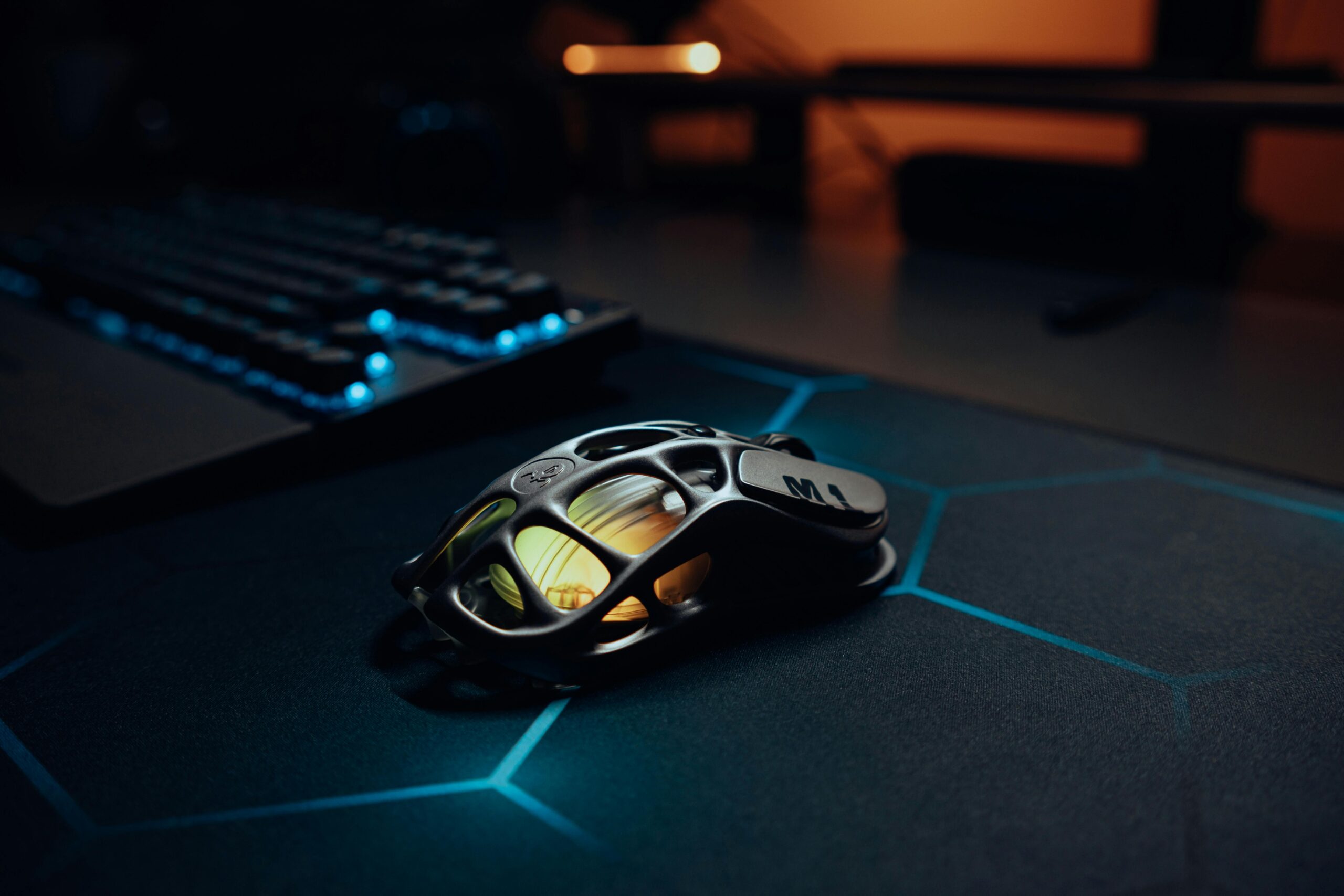
Gaming mice prioritize precision, speed, and customization. High DPI sensors, programmable buttons, and lightweight construction enable the quick, accurate movements competitive gaming demands. Gaming mice come in various shapes optimized for different grip styles: palm, claw, and fingertip.
Ergonomic office mice focus on natural hand positioning to prevent conditions like carpal tunnel syndrome. Vertical mice position the hand in a handshake orientation, reducing forearm pronation. Trackball mice eliminate the need for repetitive wrist movements entirely, allowing the fingers or thumb to control cursor movement.
Performance Metrics That Matter
For gamers, polling rate, DPI adjustability, and button response time directly impact competitive performance. These specifications allow for pixel-perfect aiming and split-second decision execution. However, the intensive gripping and rapid movements can lead to hand fatigue and repetitive strain injuries without proper breaks and stretching.
Office workers benefit from mice that reduce muscle tension during extended use. Features like adjustable angles, contoured designs that fill the palm, and smooth gliding surfaces minimize the physical effort required for cursor control. While these mice may not offer gaming-level precision, they excel at sustainable, comfortable operation throughout full workdays.
📺 Monitor Positioning and Eye Health
Monitor selection and placement profoundly affect both visual comfort and posture. Gaming monitors emphasize high refresh rates (144Hz, 240Hz, or higher), low response times, and technologies like G-Sync or FreeSync that eliminate screen tearing. Curved displays enhance immersion, and larger screens provide competitive advantages in certain game genres.
Office monitors prioritize resolution, color accuracy, and blue light filtering. Productivity-focused users often choose ultrawide monitors or multi-monitor setups to display multiple applications simultaneously. Height-adjustable stands and VESA mounting options enable proper eye-level positioning to prevent neck strain.
The Ergonomic Viewing Formula
Regardless of monitor type, proper positioning follows consistent principles. The top of the screen should align with or slightly below eye level. Viewing distance should equal roughly an arm’s length, with larger screens positioned slightly farther away. Screen brightness should match ambient lighting to reduce eye strain.
Both gamers and office workers benefit from the 20-20-20 rule: every 20 minutes, look at something 20 feet away for 20 seconds. This simple practice reduces digital eye strain, refocuses the eyes, and provides a mental micro-break that can boost concentration when returning to the task.
🎧 Audio Equipment and Acoustic Health
Gaming headsets emphasize spatial audio, microphone quality, and immersive soundscapes that provide competitive advantages and enhance storytelling. Surround sound capabilities help gamers pinpoint enemy locations, while closed-back designs block external distractions during intense moments.
Office headsets prioritize communication clarity, comfort during all-day wear, and effective noise cancellation for concentration in shared or noisy environments. Professional models often feature boom microphones with superior voice isolation and comfortable, breathable ear cushions designed for video conference marathon sessions.
Protecting Your Hearing Long-Term
Extended headphone use poses risks regardless of the activity. Volume levels should never exceed 60% of maximum, and continuous use should be limited to hour-long intervals when possible. Over-ear designs generally distribute pressure more comfortably than on-ear models during extended sessions.
Consider alternating between headphones and external speakers when privacy isn’t essential. This variation reduces pressure on ears and allows the skin around the ears to breathe, preventing discomfort and potential skin irritation from prolonged contact.
💡 Lighting and Workspace Ambiance
Gaming setups often feature dramatic RGB lighting systems that synchronize across peripherals, creating visually striking environments. While aesthetically appealing, these lighting schemes require careful implementation to avoid creating glare on screens or causing visual fatigue during extended sessions.
Office environments benefit from task lighting that reduces eye strain without creating harsh shadows or reflections. Adjustable desk lamps with color temperature control allow users to match lighting to the time of day, supporting circadian rhythms and maintaining alertness.
Optimizing Your Visual Environment
The best lighting strategy layers ambient, task, and accent lighting. Ambient lighting provides overall illumination, task lighting focuses on specific work areas, and accent lighting adds visual interest without causing distractions. Position lights to eliminate screen glare, and consider bias lighting behind monitors to reduce eye strain by minimizing contrast between bright screens and dark surroundings.
🏋️ Desk Design and Workspace Organization
Gaming desks typically offer large surfaces to accommodate multiple monitors, tower PCs, and extensive peripheral collections. Cable management systems, headphone hangers, and RGB lighting integration help maintain organized, visually impressive setups. Some gaming desks include cup holders, controller stands, and other gaming-specific features.
Ergonomic office desks prioritize adjustability, particularly sit-stand capabilities that enable posture variation throughout the workday. Standing desks reduce the health risks associated with prolonged sitting and can boost energy levels during afternoon productivity dips. Programmable height presets allow quick transitions between sitting and standing positions.
The Height Adjustment Advantage
Proper desk height ensures elbows bend at approximately 90 degrees when hands rest on the keyboard, with forearms parallel to the floor. This positioning reduces shoulder and neck tension while promoting neutral wrist alignment. For seated work, thighs should be parallel to the ground with feet flat on the floor or a footrest.
Standing workstation height should position the monitor at eye level without requiring neck extension or flexion. Many users find alternating between sitting and standing in 30-60 minute intervals provides the benefits of both positions while minimizing the drawbacks of remaining static in either posture.
🔄 Cross-Category Applications and Hybrid Solutions
The distinction between gaming and office gear continues to blur as manufacturers recognize overlapping needs. Streamers require professional-quality cameras and microphones. Remote workers benefit from gaming-grade internet connectivity. Content creators need both color-accurate displays and high refresh rates for smooth video editing.
Building a hybrid workstation requires identifying your primary activities and selecting equipment that excels in those areas while remaining competent in secondary uses. A mechanical keyboard with quiet switches satisfies both gaming preferences and office noise concerns. A high-quality gaming chair provides the support remote workers need without the corporate aesthetic.
Budget Allocation Strategies
Prioritize investments based on usage intensity. If you spend eight hours daily typing, allocate significant budget to an exceptional keyboard and mouse. If visual work dominates your routine, invest in premium monitors with accurate color reproduction. Gaming enthusiasts should prioritize peripherals that directly impact their competitive performance while maintaining adequate ergonomic features.
Remember that ergonomic problems develop gradually. Initial discomfort often signals the beginning of repetitive strain injuries that worsen over time. Addressing ergonomic concerns proactively through quality equipment proves far more cost-effective than treating chronic pain conditions later.
🎯 Making Your Decision: Personal Needs Assessment
Selecting between gaming gear and office equipment requires honest self-assessment. Track your daily activities for a week, noting time spent gaming, typing, video conferencing, content creation, and other computer tasks. This data reveals your true usage patterns, which may differ from your perceptions.
Consider your physical condition and any existing discomfort. Individuals with back problems may prioritize chair quality above all else. Those experiencing wrist pain should invest in ergonomic keyboards and mice immediately. Chronic headache sufferers might benefit most from proper monitor positioning and lighting improvements.
Testing Before Committing
Whenever possible, test equipment before purchasing. Visit showrooms that display ergonomic office furniture and gaming setups. Many retailers offer generous return policies that allow home testing. Online reviews provide valuable insights, but personal comfort remains highly individual and cannot be fully predicted from others’ experiences.
Pay attention to adjustment ranges when evaluating products. Equipment that accommodates a wide variety of body types and preferences offers flexibility as your needs evolve. Fixed equipment may work perfectly initially but become problematic if your activities, physical condition, or preferences change.
🌟 The Ultimate Ergonomic Edge
Neither gaming gear nor office equipment holds a universal advantage. The ergonomic edge comes from thoughtfully matching equipment characteristics to your specific needs, usage patterns, and physical requirements. The best setup combines elements from both categories, creating a personalized environment that supports health, comfort, and performance.
Regular movement breaks, proper posture awareness, and stretching exercises complement even the most ergonomic equipment. No chair, desk, or peripheral can fully offset the negative effects of remaining motionless for hours. Integrate movement into your routine, whether through standing intervals, brief walks, or simple stretching exercises.
Your workspace should evolve as you gain experience with different equipment and discover what truly works for your body and workflow. Start with foundational elements like a quality chair and properly positioned monitor, then gradually upgrade peripherals based on identified needs. This incremental approach prevents overwhelming initial costs while ensuring each investment addresses a genuine ergonomic concern.
The intersection of gaming and office ergonomics represents an exciting frontier where performance and health finally receive equal consideration. By borrowing the best innovations from both worlds, you can create a workspace that protects your body while enabling peak productivity and enjoyment in all your computer-based activities. Your future self will thank you for making ergonomic choices today.