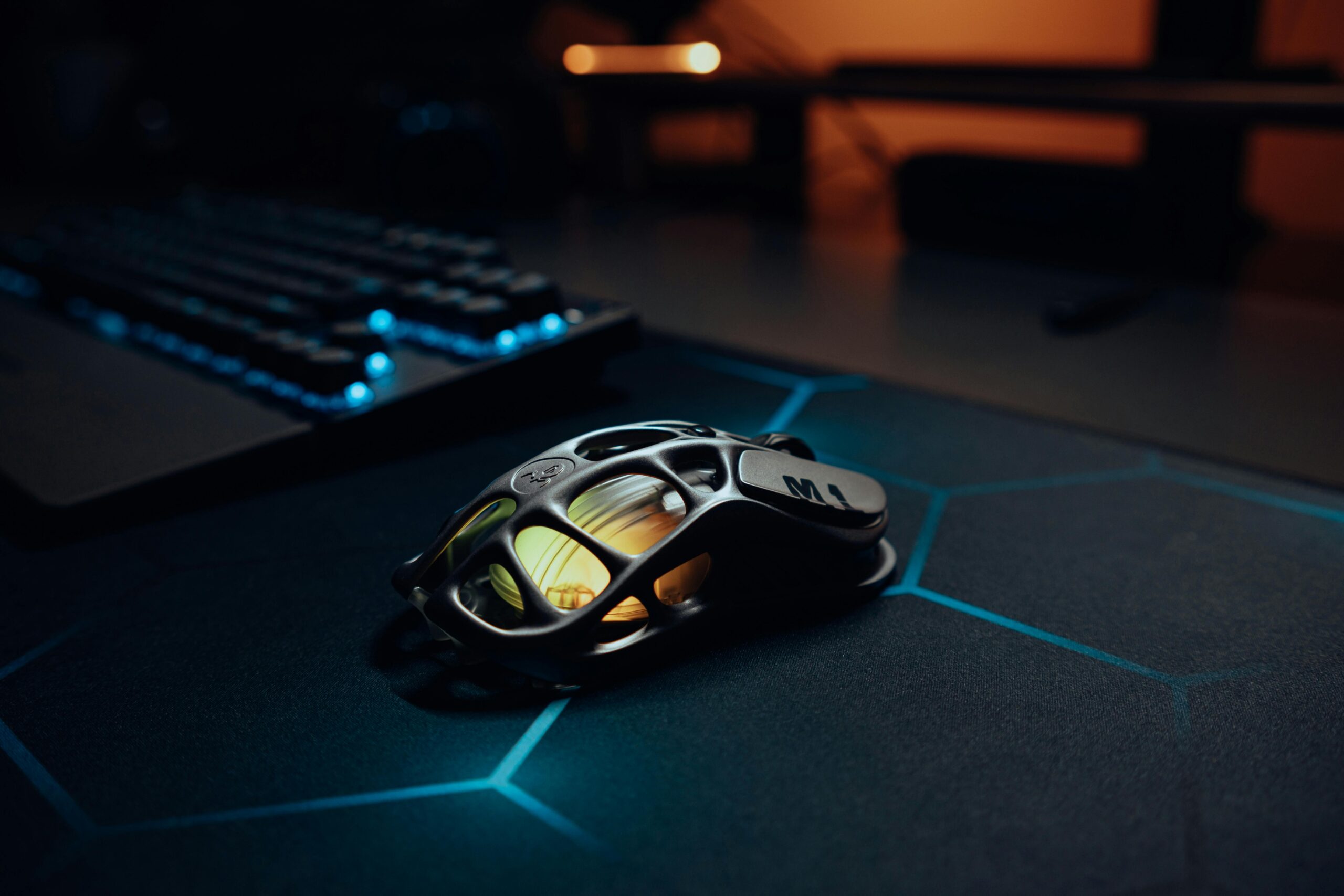
Choosing the right mouse can dramatically transform your computing experience, whether you’re gaming, working, or browsing. The perfect fit combines shape, grip style, and ergonomics to deliver unmatched comfort and precision.

Understanding how different mouse shapes interact with various grip styles is essential for preventing strain, improving accuracy, and maximizing productivity. This comprehensive guide explores everything you need to know about finding your ideal mouse match, from anatomical considerations to professional-grade performance optimization.
🖱️ Why Mouse Shape and Grip Style Matter More Than You Think
The relationship between your hand and your mouse affects every click, scroll, and movement you make. An improper fit can lead to repetitive strain injuries, decreased accuracy, and long-term discomfort. Studies show that users spend an average of 4-6 hours daily using a mouse, making the right choice crucial for both health and performance.
Your grip style naturally determines which mouse shapes will feel comfortable and provide optimal control. Forcing an incompatible combination is like wearing shoes two sizes too small—you might manage temporarily, but the consequences accumulate over time. Professional gamers, graphic designers, and office workers alike have discovered that matching mouse shape to grip style can improve performance by up to 30%.
Understanding the Three Primary Grip Styles
Before diving into mouse shapes, you must identify your natural grip style. Most users fall into one of three categories, each with distinct characteristics and requirements.
Palm Grip: Maximum Contact, Maximum Stability
The palm grip involves resting your entire hand on the mouse, with your palm making full contact with the back surface. Your fingers extend naturally over the buttons, and your wrist typically remains stationary during movement. This grip offers exceptional stability and is ideal for low-sensitivity users who make broad, sweeping motions.
Palm grip users benefit from larger, more contoured mice that provide ample support for the entire hand. The weight distribution should feel balanced, preventing wrist fatigue during extended sessions. This style is particularly popular among office professionals and strategy gamers who prioritize comfort over rapid twitch movements.
Claw Grip: The Perfect Balance of Precision and Speed
Claw grip users arch their fingers like a claw, with only the back of the palm touching the mouse. The fingertips press down on the buttons at a steep angle, while the middle section of the hand remains elevated. This hybrid approach combines the stability of palm grip with the agility of fingertip control.
This grip style demands mice with a pronounced hump positioned toward the rear, supporting the palm’s base while allowing fingers freedom to arc naturally. Medium-sized mice typically work best, providing enough substance without restricting finger movement. Competitive FPS gamers often favor this grip for its balance between control and reaction speed.
Fingertip Grip: Ultimate Agility and Precision
The fingertip grip is the most minimalist approach, with only your fingertips and the very base of your palm touching the mouse. Your hand hovers above the device, using fine motor control for all movements. This technique offers maximum agility and is preferred by high-sensitivity users who make quick, precise adjustments.
Fingertip grip enthusiasts need smaller, lighter mice with minimal rear elevation. The shape should be compact enough to manipulate using primarily finger movements, with a flatter profile that doesn’t interfere with the hand’s hovering position. This grip demands more muscle engagement but rewards users with unparalleled speed and precision.
Decoding Mouse Shapes: From Ergonomic to Ambidextrous
Mouse shapes vary dramatically, each designed to accommodate different hand sizes, grip styles, and usage patterns. Understanding these categories helps narrow your search considerably.
Ergonomic Mice: Sculpted for Natural Hand Positioning
Ergonomic mice feature pronounced curves and contours that match the natural resting position of your hand. These designs typically include a thumb rest, an outward slant to reduce pronation, and strategic button placement that minimizes finger stretch. Most ergonomic mice are right-handed specific, though left-handed versions exist.
These shapes excel for palm and claw grippers who want maximum comfort during marathon sessions. The sculpted design guides your hand into an optimal position, reducing muscle tension and joint stress. However, the aggressive contouring can feel restrictive for fingertip grip users who need more maneuverability.
Ambidextrous Mice: Symmetry for Universal Appeal
Ambidextrous mice feature symmetrical designs without dedicated left or right-hand contours. This universal approach works for both hands and typically presents a flatter, more streamlined profile. The lack of aggressive curves makes these mice adaptable to various grip styles, though they may sacrifice some ergonomic benefits.
This shape category appeals to fingertip and claw grippers who prioritize versatility and agility over ergonomic support. The symmetrical design allows for more dynamic hand positioning and works particularly well for users who occasionally switch hands to reduce strain.
Vertical Mice: The Handshake Position Revolution
Vertical mice rotate your hand into a handshake position, reducing forearm twisting and wrist pronation. This radical design shift addresses specific ergonomic concerns, particularly for users experiencing carpal tunnel symptoms or repetitive strain injuries. The learning curve can be steep, but many users report significant pain reduction.
These mice work exclusively with modified palm grip styles and require adjustment to your entire mousing technique. They’re excellent for office work and general computing but typically unsuitable for gaming due to reduced precision and longer adaptation periods.
🎯 Matching Mouse Shapes to Your Grip Style
Finding your perfect match requires understanding how specific shape characteristics complement your natural grip style. This strategic pairing eliminates guesswork and dramatically improves your selection success rate.
Best Mouse Shapes for Palm Grip Users
Palm grip users need substantial mice with generous rear elevation and full palm support. Look for designs with a hump positioned toward the center or rear, accommodating the natural curve of your palm. The mouse should feel like an extension of your hand, with minimal gaps between your palm and the surface.
Contoured ergonomic shapes work exceptionally well, providing guided hand positioning that reduces decision fatigue. The length should match your hand size—measure from your wrist base to your middle fingertip for reference. Weight distribution matters significantly; heavier mice (80-100g) often feel more stable for palm grip users who make broad movements.
Optimal Shapes for Claw Grip Dominance
Claw grip users thrive with medium-sized mice featuring pronounced rear humps that support the palm’s base without interfering with arched fingers. The front section should taper slightly, allowing fingertips to press buttons at the preferred steep angle. Width is critical—too narrow feels unstable, while excessive width forces uncomfortable finger spreading.
Semi-ergonomic designs strike the ideal balance, offering some contouring without the restrictive feel of fully sculpted shapes. The mouse height should accommodate your finger arch comfortably, typically ranging from 38-42mm at the highest point. Many claw grippers prefer lightweight designs (60-80g) that respond quickly to the combined wrist and finger movements this style employs.
Fingertip Grip: Small, Light, and Nimble
Fingertip grip demands compact mice with minimal rear elevation and lightweight construction. The shape should be relatively flat with gentle curves that don’t dictate hand positioning. Length becomes less critical since your palm doesn’t rest on the mouse, but width should still accommodate comfortable finger placement.
Ambidextrous designs frequently work best, offering the streamlined profile fingertip users need for maximum agility. Ultra-lightweight mice (under 60g) reduce the effort required for rapid movements, though some users prefer slightly more substantial builds for better control. The key is avoiding any shape element that restricts finger mobility or forces palm contact.
📏 Hand Size: The Critical Dimension Everyone Overlooks
Even the perfect shape-grip combination fails if the mouse doesn’t match your hand size. Manufacturers typically categorize mice as small, medium, or large, but understanding your actual measurements provides superior guidance.
Measuring Your Hand for Perfect Sizing
Measure your hand length from the wrist base to your middle fingertip with your hand fully extended. Next, measure width across your palm at its widest point, typically across your knuckles. These two measurements guide your size selection:
- Small hands (under 17cm length): Choose mice under 120mm long and 60mm wide
- Medium hands (17-19cm length): Opt for mice 120-128mm long and 60-68mm wide
- Large hands (over 19cm length): Select mice exceeding 128mm long and 68mm wide
Remember that grip style influences how size feels—palm grippers typically need larger mice than fingertip users with identical hand measurements. When possible, test mice in person or purchase from retailers with generous return policies.
Material Matters: Surface Texture and Your Grip
The mouse surface significantly impacts grip security, comfort, and long-term durability. Different materials complement various grip styles and hand conditions.
Matte vs. Glossy Finishes
Matte finishes provide superior grip, especially for sweaty hands or intense gaming sessions. The textured surface creates friction that enhances control, particularly beneficial for fingertip and claw grippers who rely on precise finger placement. However, matte coatings can feel slightly rougher during extended use.
Glossy finishes offer smooth gliding and easier cleaning but can become slippery with moisture. Palm grip users often tolerate glossy surfaces better since their entire hand rests on the mouse, providing natural grip through contact area rather than surface friction. Some premium mice feature combination finishes—glossy sides with matte tops—attempting to balance aesthetics and functionality.
Rubber Grips and Textured Zones
Strategic rubber or textured zones on the sides and buttons enhance grip without completely altering the mouse’s aesthetic. These additions particularly benefit claw and fingertip users whose fingers do most of the work. Look for rubberized areas that feel slightly tacky without being sticky, providing secure contact without residue buildup.
⚖️ Weight Distribution and Its Impact on Control
Mouse weight profoundly affects how different grip styles perform. The ideal weight depends on your grip, sensitivity settings, and primary usage scenarios.
Palm grip users typically prefer heavier mice (80-110g) that provide stability and reduce unintentional movements. The substantial weight complements the broader arm movements this grip style employs. Conversely, fingertip grip users overwhelmingly favor ultra-lightweight designs (under 70g) that respond instantly to finger-controlled micro-adjustments.
Claw grip users occupy the middle ground, with preferences ranging from 70-85g depending on whether they lean toward palm or fingertip techniques. Some gaming mice offer adjustable weight systems, allowing experimentation, though fixed-weight designs typically provide better balance.
Button Placement and Accessibility Across Grip Styles
How easily you can reach and press buttons varies dramatically based on grip style and mouse shape. Strategic button placement enhances efficiency while poor positioning causes frustration and misclicks.
Palm grip users can comfortably reach side buttons positioned mid-body, as their entire hand rests on the mouse. Claw grippers need slightly forward button placement to accommodate arched fingers, while fingertip users require buttons positioned very far forward, almost at the mouse’s front edge. The primary buttons should require minimal force to actuate regardless of grip style, preventing finger fatigue.
🎮 Gaming vs. Productivity: Does Purpose Change Your Perfect Fit?
While grip style and hand size remain primary considerations, your intended use case adds another selection layer.
Gaming Mice Considerations
Competitive gaming amplifies the importance of grip-shape matching. Milliseconds matter, making precision and comfort non-negotiable. FPS gamers typically gravitate toward lightweight ambidextrous shapes that complement claw or fingertip grips, enabling rapid target acquisition. MOBA and strategy players often prefer ergonomic shapes with palm grip comfort for marathon gaming sessions.
Response time, sensor quality, and button durability become critical specifications. However, none of these technical features compensate for poor shape-grip compatibility. The fastest sensor in the world won’t improve your aim if your hand cramps after thirty minutes.
Productivity and Office Use
Office work prioritizes long-term comfort over split-second precision. Ergonomic shapes with palm grip support reduce strain during 8+ hour workdays. Vertical mice gain popularity in productivity contexts, where comfort outweighs the performance compromises inherent in their radical designs.
Quiet clicking mechanisms and Bluetooth connectivity often matter more than gaming-specific features. However, the fundamental principle remains unchanged—your mouse must match your grip style and hand size, regardless of whether you’re editing spreadsheets or fragging opponents.
Common Mistakes When Choosing Your Mouse
Even informed buyers make predictable errors that undermine their selection process. Avoiding these pitfalls saves time, money, and wrist health.
Prioritizing Features Over Fit
The most common mistake is choosing mice based on specifications, aesthetics, or brand reputation while ignoring shape-grip compatibility. RGB lighting, adjustable DPI, and premium sensors mean nothing if the mouse hurts your hand after thirty minutes. Always prioritize physical fit over feature lists.
Assuming One Size Fits All Scenarios
Many users attempt using a single mouse for gaming, work, and casual browsing despite having different grip styles and requirements for each activity. While one versatile mouse can work, having specialized mice for different contexts often provides superior comfort and performance. Consider maintaining separate gaming and productivity mice if budget permits.
Ignoring the Adaptation Period
Switching mouse shapes or grip styles requires adjustment time. Many users abandon perfectly suitable mice after a few days because they feel different from their previous setup. Allow 1-2 weeks of consistent use before judging a new mouse, unless it causes immediate pain or discomfort.
Testing and Finding Your Perfect Match
Armed with knowledge about grip styles, shapes, and sizing, you’re ready to find your ideal mouse. A systematic approach increases success rates dramatically.
Start by identifying your natural grip style—don’t force a grip you’ve read is superior; work with your instincts. Measure your hand accurately and research mice designed for your size category. Read reviews specifically from users with similar hand sizes and grip styles, as their experiences prove more relevant than general opinions.
When possible, visit stores with display models to physically test mice before purchasing. Focus on how the mouse feels during natural movements rather than simply holding it stationary. Online shopping requires more research but allows access to specialized shapes unavailable in retail stores. Purchase from retailers with flexible return policies, giving yourself permission to experiment.

🌟 Elevating Comfort and Performance Together
The perfect mouse represents more than a peripheral purchase—it’s an investment in your health, productivity, and enjoyment. By understanding how mouse shapes interact with grip styles, you’ve gained the knowledge necessary to make informed decisions that serve your specific needs.
Whether you’re a palm grip user seeking ergonomic support, a claw gripper balancing precision and comfort, or a fingertip enthusiast demanding maximum agility, the right mouse exists for your requirements. Hand size, surface materials, weight distribution, and button placement all contribute to the complete picture, transforming a simple pointing device into a precisely calibrated tool.
Take time to evaluate your needs honestly, measure carefully, and test thoroughly. The difference between an acceptable mouse and your perfect match manifests in reduced fatigue, improved accuracy, and enhanced enjoyment across all computing activities. Your hands deserve equipment that works with your body rather than against it—master the perfect fit and experience computing the way it should feel.