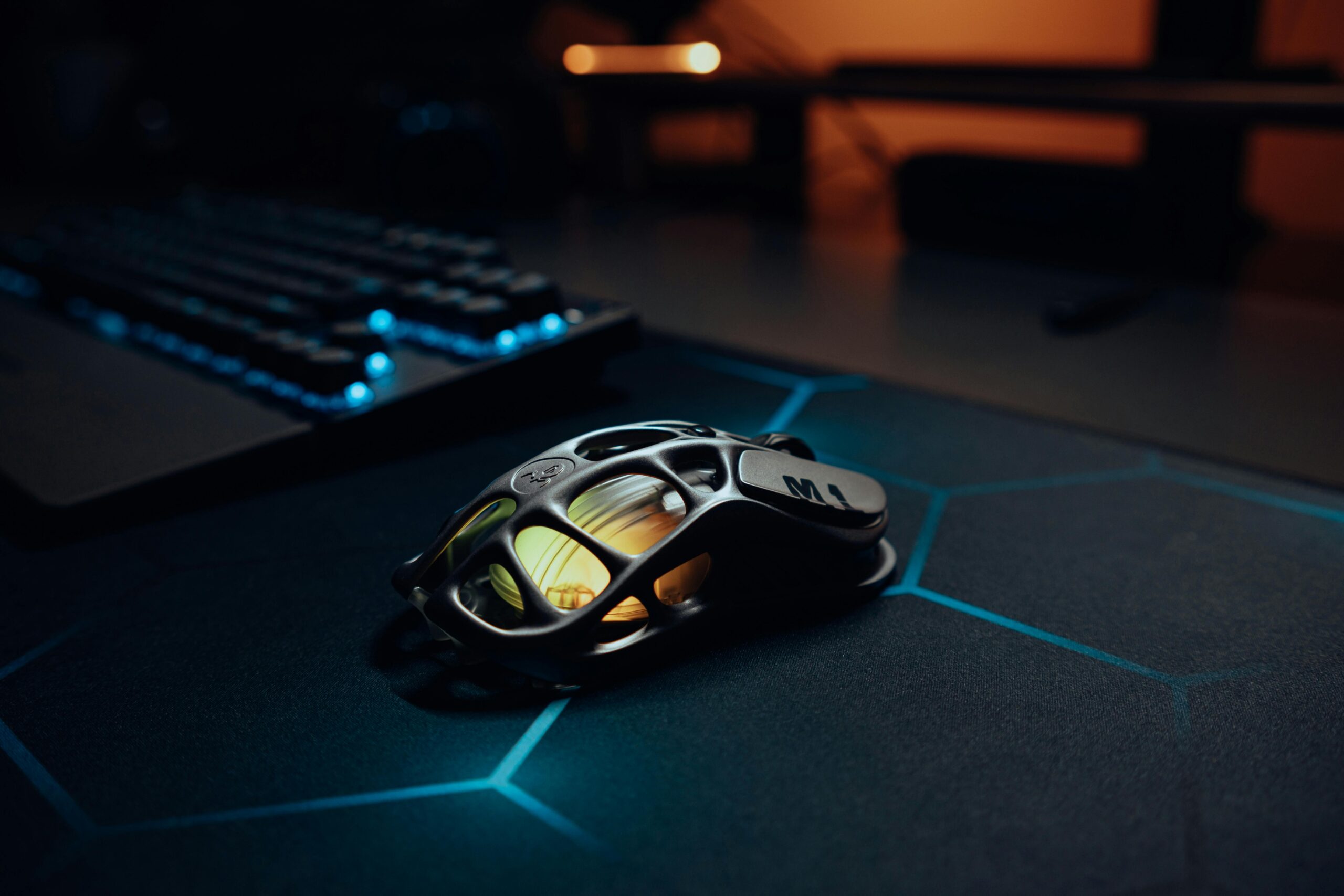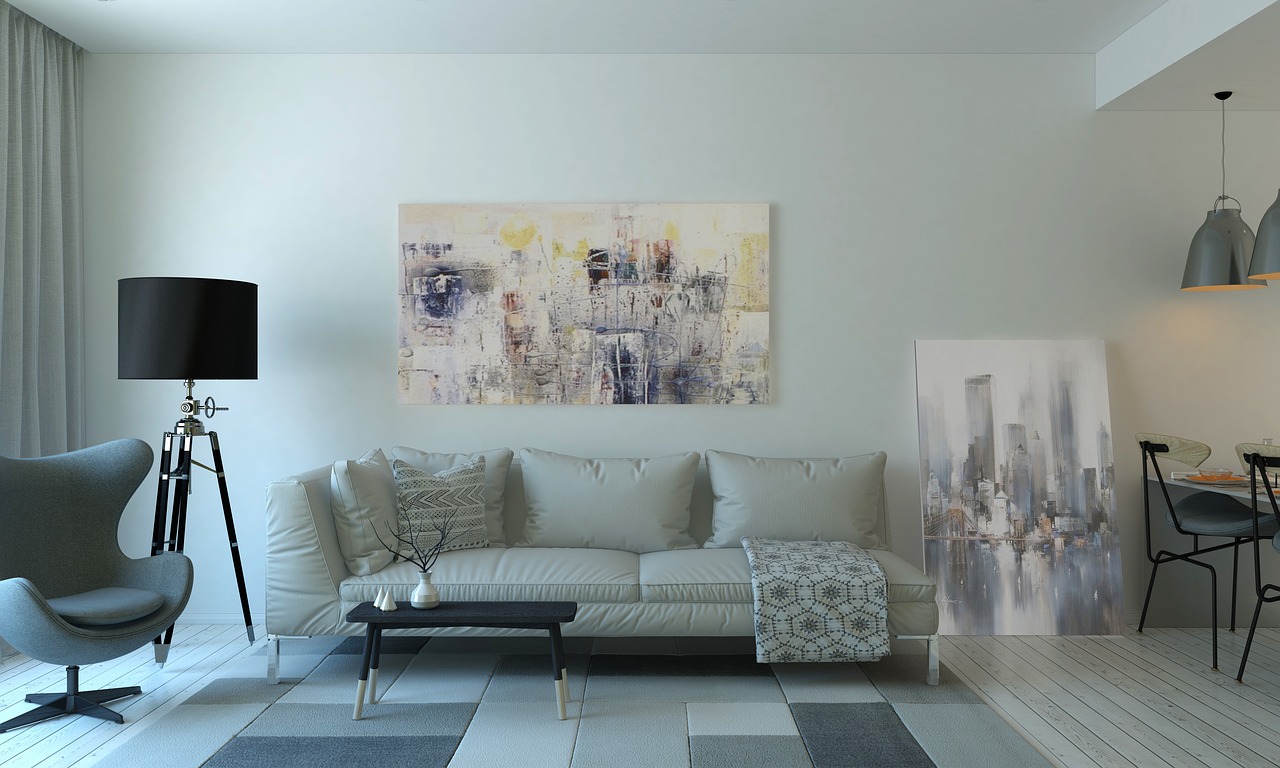
Proper lighting and glare management are fundamental components of any productive workspace, gaming setup, or home environment. Whether you’re working long hours at a computer, streaming content, or simply reading, understanding how to control light can dramatically improve your visual comfort and overall well-being.

The modern digital lifestyle exposes us to various light sources throughout the day, making it essential to master the art of lighting optimization. Poor lighting setups contribute to eye strain, headaches, reduced productivity, and long-term vision problems. By implementing strategic lighting solutions and glare reduction techniques, you can create environments that support your activities while protecting your eyes.
🔆 Understanding the Science Behind Lighting and Glare
Light interacts with our eyes and environment in complex ways. Glare occurs when excessive brightness enters our field of vision, either directly from a light source or reflected from surfaces. This phenomenon forces our pupils to constantly adjust, causing fatigue and discomfort. Understanding these principles is the first step toward creating optimal visual conditions.
There are two primary types of glare to consider: direct glare from light sources like windows or lamps, and reflected glare bouncing off screens, glossy surfaces, or other reflective materials. Both types can significantly impact your comfort and performance, requiring different mitigation strategies.
The Impact of Color Temperature on Visual Comfort
Color temperature, measured in Kelvin, dramatically affects how we perceive and respond to light. Warm light (2700K-3000K) creates relaxing atmospheres suitable for evening activities, while cool light (5000K-6500K) promotes alertness and concentration during daytime work. Understanding when to use each temperature range enhances both productivity and circadian rhythm regulation.
Blue light, prevalent in cool-temperature lighting and digital screens, has garnered significant attention due to its effects on sleep patterns and eye health. While beneficial during morning hours for wakefulness, excessive blue light exposure in the evening can disrupt melatonin production and sleep quality.
💡 Essential Tools for Lighting Control
Creating the perfect lighting setup requires the right equipment. Modern technology offers numerous solutions ranging from simple adjustments to sophisticated smart home integration. Investing in quality lighting tools pays dividends in comfort and productivity.
Adjustable Desk Lamps and Task Lighting
Task lighting provides focused illumination exactly where you need it. Look for lamps with adjustable arms, multiple brightness levels, and color temperature controls. LED desk lamps have become the gold standard, offering energy efficiency, longevity, and precise light control without generating excessive heat.
Position your task light to eliminate shadows on your work surface while avoiding direct glare on screens. The ideal placement is typically at a 45-degree angle to your workspace, providing adequate illumination without creating reflections.
Monitor Light Bars and Screen Lighting
Monitor light bars have revolutionized computer workspace lighting. These specialized devices mount atop your display, providing asymmetric illumination that lights your desk without creating screen glare. This innovative solution addresses one of the most challenging aspects of computer workstation lighting.
Unlike traditional desk lamps, monitor light bars use carefully designed optics to direct light downward and away from your eyes, eliminating reflections while maintaining adequate workspace brightness. Many models include wireless controls for brightness and color temperature adjustment.
Smart Lighting Systems and Automation
Smart bulbs and lighting systems enable unprecedented control over your environment. These systems allow you to program lighting scenes, adjust colors and intensity remotely, and even automate changes based on time of day or activities. Integration with voice assistants adds convenience to your lighting management routine.
Consider creating lighting profiles for different tasks: bright, cool light for focused work; moderate, neutral light for general activities; and warm, dim light for evening relaxation. Automated transitions help maintain circadian rhythm alignment throughout the day.
🪟 Managing Natural Light and Window Glare
Natural light offers tremendous benefits for mood, productivity, and health, but uncontrolled sunlight creates significant glare challenges. Balancing natural illumination with glare prevention requires strategic planning and appropriate window treatments.
Window Positioning and Desk Placement
Your desk position relative to windows dramatically affects glare exposure. Position your workspace perpendicular to windows rather than facing them directly or having them behind you. This arrangement provides natural light benefits while minimizing screen reflections and direct glare.
For spaces where desk repositioning isn’t feasible, consider rotating your monitor orientation or using partitions to block direct sunlight during peak glare hours. Small adjustments in furniture placement often yield significant improvements in visual comfort.
Effective Window Treatment Solutions
Multiple window treatment options help control natural light entry. Sheer curtains diffuse bright sunlight while maintaining illumination levels. Blackout curtains provide complete light blocking when needed. Blinds and shades offer adjustable control, allowing you to modulate light throughout the day.
Dual-layer treatments combine benefits, with sheer inner curtains for daytime diffusion and heavier outer curtains for light blocking. Vertical or horizontal blinds with adjustable slats provide the most precise control over light direction and intensity.
Anti-Glare Films and Window Coatings
Window films offer a permanent solution for reducing glare while maintaining visibility. These specialized coatings reduce light transmission, block UV rays, and minimize heat gain. Various tint levels accommodate different glare severity and aesthetic preferences.
Professional installation ensures optimal results, though DIY options exist for budget-conscious individuals. Consider removable films for rental properties where permanent modifications aren’t permitted.
🖥️ Screen Optimization and Display Settings
Your display itself significantly impacts visual comfort. Modern monitors include numerous features designed to reduce eye strain, but many users never explore these valuable settings. Proper screen configuration complements environmental lighting controls.
Brightness and Contrast Calibration
Screen brightness should match your ambient environment. Too-bright displays in dim rooms cause pupil constriction and fatigue, while too-dim screens in bright spaces force squinting and strain. Adjust brightness so your screen appears as a light source similar to surrounding surfaces rather than a glowing beacon.
Contrast settings affect how easily you distinguish text and images. Excessive contrast creates harsh transitions that tire eyes, while insufficient contrast reduces legibility. Most displays benefit from moderate contrast settings around 60-70%.
Blue Light Filters and Night Mode Features
Most modern operating systems include built-in blue light reduction features like Windows Night Light or macOS Night Shift. These functions progressively shift screen color temperature toward warmer tones during evening hours, reducing blue light exposure that interferes with sleep.
Third-party applications offer more granular control over color temperature, brightness curves, and scheduling. Some programs automatically adjust settings based on ambient light sensors or geographic location and sunset times.
Anti-Glare Screen Protectors and Filters
Physical screen protectors with anti-glare coatings diffuse reflections from ambient light sources. These accessories particularly benefit users who cannot fully control their environment, such as office workers or those in shared spaces.
Matte screen protectors reduce glare more effectively than glossy alternatives but may slightly diminish image sharpness and color vibrancy. Privacy filters offer additional benefits by limiting viewing angles, reducing both glare and unwanted visual access.
👁️ Understanding Eye Health and Ergonomic Considerations
Even with perfect lighting, improper viewing habits contribute to eye strain and discomfort. Comprehensive visual comfort requires integrating lighting solutions with ergonomic practices and healthy screen habits.
The 20-20-20 Rule and Regular Breaks
Eye care professionals recommend the 20-20-20 rule: every 20 minutes, look at something 20 feet away for 20 seconds. This simple practice relaxes focusing muscles and reduces digital eye strain. Combine this with regular standing and stretching breaks for comprehensive wellness.
Setting timers or using reminder applications helps maintain consistent break schedules. Many productivity apps integrate break reminders with task management, promoting both efficiency and health.
Proper Screen Distance and Positioning
Position your monitor at arm’s length distance, approximately 20-30 inches from your eyes. The top of your screen should sit at or slightly below eye level, promoting a natural downward gaze that reduces neck strain and tear evaporation.
Multiple monitor setups require additional consideration. Arrange displays in a gentle curve centered on your usual viewing position, maintaining consistent distance and angles across all screens.
Ambient Lighting and Background Illumination
Never work in complete darkness with only screen illumination. Background lighting reduces the contrast between your bright display and dark surroundings, minimizing pupil adjustments and eye fatigue. Bias lighting behind monitors provides gentle background illumination specifically designed for this purpose.
LED strip lights attached to the back of monitors or desks create ambient backlighting at minimal cost. Choose neutral or warm white temperatures for evening use, avoiding cool blue tones that counteract sleep preparation.
🎮 Specialized Lighting for Gaming and Entertainment
Gaming and entertainment setups present unique lighting challenges and opportunities. Immersive experiences benefit from atmospheric lighting while still requiring visual comfort considerations for extended sessions.
RGB Lighting and Color Synchronization
RGB lighting systems enable creative ambient effects synchronized with on-screen content. While aesthetically appealing, these systems should complement rather than overpower your space. Moderate intensity levels prevent distraction while enhancing atmosphere.
Many gaming peripherals and software ecosystems include lighting synchronization features. Coordinate colors across devices for cohesive effects while maintaining practical illumination levels that don’t interfere with screen visibility.
Bias Lighting for Large Displays and TVs
Large television displays particularly benefit from bias lighting. LED strips positioned behind the TV reduce eye strain during movie watching or gaming by providing gentle background illumination that matches screen brightness changes.
Select color temperatures around 6500K for bias lighting, matching the D65 standard used in professional video production. This neutral white reduces eye strain more effectively than colored ambient lighting.
📱 Mobile Device and Tablet Lighting Considerations
Smartphones and tablets present unique lighting challenges due to their portability and varied usage contexts. Optimizing these devices requires different strategies than stationary computer displays.
Automatic Brightness and Adaptive Display Features
Enable auto-brightness on mobile devices to maintain appropriate screen intensity across different environments. Modern smartphones use ambient light sensors to continuously adjust display brightness, reducing manual intervention while optimizing battery life and visual comfort.
Adaptive display technologies like True Tone adjust color temperature based on ambient lighting conditions, maintaining consistent perceived color while reducing eye strain. These features work particularly well when transitioning between indoor and outdoor environments.
Night Reading and Dark Mode Options
Dark mode interfaces reduce overall screen brightness during evening use while maintaining text legibility. This feature particularly benefits reading applications and social media browsing before bedtime, though effectiveness varies by implementation quality.
Dedicated reading modes in e-reader apps often include additional optimizations like warm color temperatures, adjustable margins, and specialized fonts designed for extended reading comfort.
🏢 Office and Professional Environment Lighting
Professional workspaces present collective lighting challenges affecting multiple individuals with varying preferences. Creating comfortable environments requires balancing personal control with overall space efficiency.
Overhead Lighting and General Illumination
Office overhead lighting should provide even, glare-free illumination without creating harsh shadows or reflections. Indirect lighting that bounces off ceilings distributes light more evenly than direct fixtures, reducing contrast and visual discomfort.
LED panel lights with diffusers offer energy-efficient general illumination with minimal glare. Tunable white LED systems enable color temperature adjustments throughout the day, supporting circadian rhythm alignment for all occupants.
Personal Lighting Control in Shared Spaces
Individual desk lamps provide personalized task lighting in open office environments where overhead lighting may not meet everyone’s needs. Adjustable fixtures allow workers to customize their immediate workspace illumination without affecting colleagues.
Partition-mounted lights and under-shelf fixtures offer supplemental illumination in cubicle settings. Battery-powered LED options provide flexibility without requiring electrical modifications.
🛠️ Measuring and Testing Your Lighting Setup
Objective measurement helps optimize lighting configurations beyond subjective impressions. Various tools and methods enable precise assessment of your environment’s lighting characteristics.
Using Light Meters and Measurement Apps
Light meters measure illuminance in lux, quantifying how much light reaches surfaces in your workspace. Professional devices provide accurate readings, while smartphone apps offer convenient approximations for casual users.
Recommended illuminance levels vary by task: 300-500 lux for general office work, 500-1000 lux for detailed tasks, and 150-300 lux for computer work with adequate screen brightness. Measure at desk level for relevant readings.
Glare Assessment and Reflection Testing
Evaluate glare by observing screen reflections from different angles and lighting conditions. Document problematic times of day or light source positions, then systematically test solutions. Photograph your setup during challenging periods to identify specific issues requiring attention.
Consider enlisting colleagues or family members to provide objective feedback about your lighting setup, as we often adapt to suboptimal conditions without recognizing potential improvements.
🌟 Maintaining Your Optimized Lighting System
Creating the perfect lighting setup represents only the beginning. Consistent maintenance and seasonal adjustments preserve optimal conditions throughout the year.
Regular Cleaning and Bulb Replacement
Dust accumulation on bulbs, fixtures, and diffusers significantly reduces light output and color quality. Clean lighting equipment quarterly using appropriate methods for each material type. Replace bulbs before complete failure, as dimming often occurs gradually without notice.
LED bulbs last significantly longer than traditional incandescent or fluorescent options, reducing maintenance frequency. However, even long-life LEDs eventually degrade, shifting color temperature and reducing brightness over time.
Seasonal Adjustments and Daylight Changes
Natural light availability changes dramatically across seasons, requiring periodic workspace adjustments. Desk positions perfect during winter may create excessive glare during summer months when the sun follows a higher arc.
Update smart lighting schedules seasonally to maintain appropriate transitions aligned with changing sunrise and sunset times. Most systems can automatically adjust based on location if configured properly.

✨ Creating Your Personal Lighting Strategy
Perfect lighting remains highly personal, influenced by individual sensitivity, task requirements, and environmental constraints. Experiment systematically with different configurations, documenting changes and their effects on comfort and productivity.
Start with fundamental principles: eliminate direct glare, provide adequate task lighting, maintain appropriate brightness balance, and support circadian rhythm. Build upon this foundation with specialized solutions addressing your specific needs and preferences.
Consider keeping a brief journal noting lighting conditions and how you feel throughout the day. Patterns often emerge revealing optimal settings for different activities and times, enabling refinement of your approach over weeks and months.
Remember that lighting needs evolve with age, as our eyes require progressively more illumination for the same tasks. Regularly reassess your setup, remaining open to adjustments that maintain optimal visual comfort as circumstances change.
The investment in mastering lighting and glare control pays continuous dividends in reduced eye strain, improved focus, better sleep quality, and enhanced overall wellbeing. By applying these principles and tools thoughtfully, you create environments that support rather than hinder your daily activities, protecting your vision while maximizing comfort and productivity for years to come.