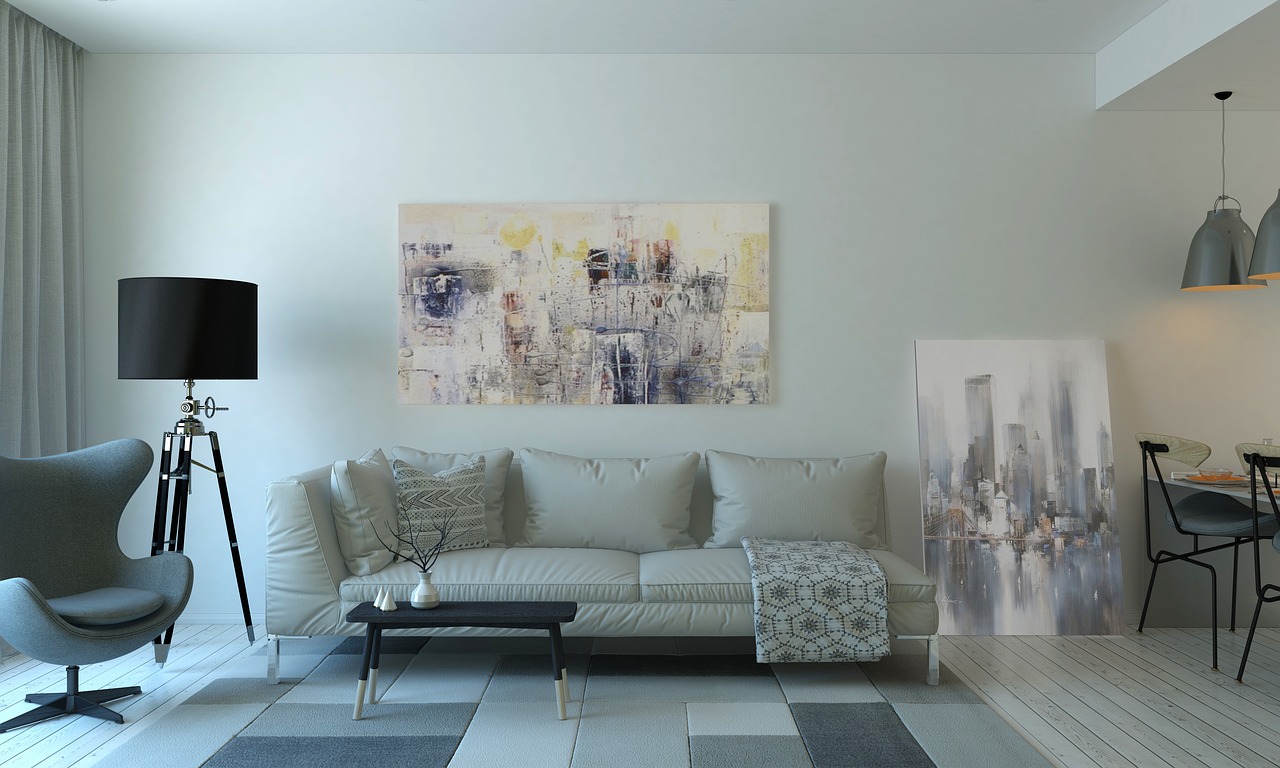
Modern living demands more than survival—it requires mastery of comfort through intelligent design and strategic implementation. The intersection of efficiency and everyday convenience has become the cornerstone of elevated living experiences.

Strategic case study setups reveal transformative patterns in how we organize spaces, manage time, and optimize daily routines. These real-world examples demonstrate that comfort isn’t accidental—it’s engineered through deliberate choices and systematic approaches that reshape our relationship with our environment.
🏡 The Foundation of Comfort-Driven Efficiency
Understanding comfort as a strategic advantage begins with recognizing its multidimensional nature. Physical comfort, mental ease, and operational efficiency converge to create environments that support rather than hinder our daily objectives. This holistic approach transforms ordinary spaces into productivity sanctuaries.
Case studies from residential and commercial settings consistently demonstrate that strategic setups reduce cognitive load. When our surroundings align with natural workflows, decision fatigue diminishes, allowing mental resources to focus on meaningful tasks rather than navigating poorly designed spaces.
The psychology behind comfortable environments reveals fascinating insights. Research indicates that humans process spatial information unconsciously, making automatic adjustments throughout the day. Strategic setups leverage this neurological reality, creating seamless experiences that feel effortless because they align with our cognitive architecture.
Measuring Comfort Beyond Subjective Experience
Quantifying comfort requires examining multiple variables: time saved on routine tasks, reduction in physical strain, decreased mental frustration, and increased task completion rates. These metrics transform comfort from abstract concept to measurable outcome, enabling systematic improvement.
Professional organizers and efficiency consultants utilize assessment frameworks that capture both objective measurements and subjective satisfaction. This dual approach ensures that optimizations deliver practical results while respecting individual preferences and lifestyle requirements.
📊 Real-World Case Studies in Strategic Setup Design
A Manhattan apartment redesign illustrates the power of strategic thinking. By analyzing movement patterns and daily routines, designers reduced average morning preparation time from 47 minutes to 28 minutes. This wasn’t achieved through rushing—rather through intelligent placement of essentials and elimination of friction points.
The kitchen received particular attention. Frequently used items occupied prime real estate within natural reach zones, while rarely needed equipment moved to higher or lower storage. Coffee supplies positioned directly above the machine eliminated unnecessary trips, while breakfast items clustered near the dining area streamlined morning routines.
Similar principles transformed the workspace. Dual monitor setup, ergonomic chair positioning, and strategic lighting reduced reported neck strain by 60% over three months. Task lighting illuminated work surfaces without creating screen glare, while ambient lighting maintained comfortable background illumination throughout the day.
Commercial Applications Driving Business Results
A Seattle tech startup implemented strategic workspace design based on activity mapping. Collaborative zones featured modular furniture and writable surfaces, while focus areas provided acoustic privacy and minimal visual distraction. Employee satisfaction scores increased 34% within six months, while project completion velocity improved measurably.
The company tracked time spent searching for resources, waiting for meeting spaces, and managing environmental discomfort. Post-redesign metrics showed dramatic improvements: 18 minutes saved daily per employee, 23% reduction in meeting delays, and nearly eliminated complaints about workspace temperature or lighting.
🔧 Implementation Strategies That Deliver Results
Successful strategic setups begin with observation rather than assumption. Tracking actual behavior patterns for one to two weeks reveals authentic usage data, exposing discrepancies between intended and actual space utilization. This evidence-based approach prevents costly mistakes based on idealized scenarios.
Priority mapping follows observation. Not all discomforts carry equal weight—some represent minor annoyances while others significantly impact daily quality of life. Strategic implementations address high-impact issues first, delivering immediate tangible benefits that justify continued optimization efforts.
The Progressive Refinement Approach
Rather than attempting complete transformation overnight, progressive refinement implements changes incrementally. This methodology allows adjustment periods, reveals unforeseen consequences, and maintains livability throughout the optimization process. Each iteration builds on previous successes while correcting emerging issues.
Documentation proves essential during this phase. Photographing configurations, noting subjective impressions, and tracking objective metrics creates feedback loops that inform subsequent decisions. What works remains; what doesn’t gets adjusted without emotional attachment to previous choices.
💡 Technology Integration for Enhanced Living
Smart home technology amplifies strategic setup benefits when implemented thoughtfully. Automated lighting systems adjust throughout the day, supporting circadian rhythms while reducing manual intervention. Climate control learns preferences and occupancy patterns, maintaining comfort while optimizing energy consumption.
Voice-activated assistants streamline routine tasks, from setting timers to managing shopping lists. Strategic placement ensures accessibility without visual clutter—often integrated into existing furniture or architectural elements rather than demanding dedicated counter space.
Task Management Systems That Support Daily Flow
Digital organization tools complement physical space optimization. Task management applications reduce mental load by externalizing reminders and scheduling, freeing cognitive resources for creative and analytical thinking. The key lies in selecting systems that match individual workflows rather than forcing adaptation to arbitrary structures.
Integration between physical and digital systems creates powerful synergies. Calendar applications coordinate with smart lighting to signal transition periods, while productivity apps interface with environmental controls to establish optimal working conditions automatically.
🌟 Psychological Dimensions of Comfort Mastery
The relationship between environment and mental state runs deeper than surface-level convenience. Strategic setups reduce ambient stress by eliminating constant low-level frustrations that accumulate throughout the day. This psychological benefit often exceeds the practical time savings, contributing significantly to overall wellbeing.
Control represents a crucial psychological component. Environments that respond predictably to our needs foster feelings of mastery and competence. This sense of agency extends beyond the immediate space, positively influencing confidence and decision-making in other life areas.
Creating Personalized Comfort Zones
Generic solutions rarely deliver optimal results because comfort preferences vary significantly between individuals. Some thrive in minimalist environments, while others find comfort in visual richness. Strategic setup mastery respects these differences, creating personalized solutions rather than imposing universal standards.
Cultural backgrounds, sensory preferences, and lifestyle requirements all influence ideal configurations. Successful implementations acknowledge this diversity, using general principles as starting points while customizing specifics to individual needs and circumstances.
📈 Measuring Success and Iterating Improvements
Establishing baseline metrics before implementing changes provides essential comparison points. Simple measurements—time required for morning routines, frequency of searching for items, subjective stress levels on a scale of one to ten—create tangible benchmarks for evaluating effectiveness.
Regular review cycles prevent stagnation. Life circumstances change, requiring corresponding environmental adaptations. Quarterly assessments identify emerging friction points before they become entrenched frustrations, maintaining optimal alignment between space and needs.
Common Pitfalls and Avoidance Strategies
Over-optimization represents a frequent mistake. Excessive complexity introduces maintenance burdens that negate efficiency gains. The ideal setup balances sophistication with simplicity, implementing improvements that enhance rather than complicate daily living.
Another common error involves prioritizing aesthetics over functionality. While visual appeal matters, beauty without usability creates showrooms rather than livable spaces. Strategic mastery integrates both dimensions, refusing to sacrifice either for the other.
🎯 Sector-Specific Applications and Adaptations
Home office configurations require particular attention to ergonomics and boundary management. Physical separation between work and personal spaces supports mental transitions, even in limited square footage. Strategic furniture selection, lighting design, and acoustic management create professional environments within residential contexts.
Kitchen optimization delivers disproportionate returns given the frequency of use. Strategic appliance placement, logical storage organization, and efficient prep zones transform meal preparation from choreographic challenge to smooth sequence. Time savings compound daily, delivering significant accumulated benefits.
Bedroom Sanctuaries for Restorative Rest
Sleep quality depends heavily on environmental factors. Strategic bedroom setups prioritize darkness, temperature control, and acoustic isolation. Technology placement requires careful consideration—charging stations positioned outside the bedroom eliminate electromagnetic interference and reduce late-night screen temptation.
Bedding selection, mattress quality, and pillow configurations directly impact sleep architecture. While often overlooked in favor of decorative elements, these functional components deserve primary investment for anyone serious about optimizing daily recovery.
🔄 Sustainability Meets Efficiency
Strategic comfort mastery increasingly incorporates environmental consciousness. Energy-efficient appliances, sustainable materials, and waste-reduction systems align personal comfort with planetary responsibility. This integration proves that ecological consideration and personal convenience aren’t mutually exclusive—often they’re complementary.
Smart power management reduces standby consumption without sacrificing convenience. Automated systems power down unused devices, while occupancy sensors ensure lighting serves people rather than empty rooms. These optimizations decrease environmental impact while reducing utility costs.
Long-Term Value Through Quality Investment
Strategic setup mastery recognizes that initial investment in quality components delivers superior lifetime value. Durable furniture, reliable appliances, and timeless design choices resist obsolescence, reducing replacement frequency and associated waste. This long-term perspective aligns financial prudence with sustainability goals.
🚀 Future Trends Shaping Comfort Innovation
Artificial intelligence integration promises increasingly sophisticated environmental responsiveness. Machine learning algorithms will predict needs based on behavioral patterns, adjusting conditions proactively rather than reactively. These systems will operate invisibly, creating seamlessly comfortable experiences without requiring conscious management.
Biometric monitoring may influence future comfort systems. Wearable devices detecting stress indicators could trigger environmental adjustments—dimming lights, reducing ambient noise, or adjusting temperature to support physiological relaxation. This closed-loop system would optimize comfort based on actual biological responses rather than subjective preferences.
Modular and adaptive furniture systems will enable rapid reconfiguration, supporting multiple activities within single spaces. As remote work continues normalizing, homes must accommodate diverse functions without requiring dedicated square footage for each activity. Transformable solutions will bridge this gap elegantly.

✨ Bringing It All Together: Your Comfort Mastery Journey
Mastering comfort through strategic case study setups represents an ongoing journey rather than a destination. Each implementation teaches lessons applicable to future optimizations, building expertise that compounds over time. The process itself becomes rewarding as environments increasingly align with authentic needs.
Starting small prevents overwhelm. Identifying one high-impact area and optimizing it thoroughly builds confidence and demonstrates methodology before expanding scope. Success breeds motivation, creating positive momentum that sustains continued improvement efforts.
Remember that perfection isn’t the goal—progress is. Each incremental improvement enhances daily living, and accumulated small gains create transformative results. The strategic approach ensures efforts focus where they’ll deliver maximum benefit, making efficient use of time, energy, and resources.
Your living and working environments profoundly influence daily experience. By applying strategic thinking and learning from documented case studies, you can engineer spaces that elevate efficiency while enhancing comfort. This isn’t luxury—it’s practical wisdom that transforms everyday living into something genuinely exceptional.