
For decades, we’ve been told to sit up straight, pull our shoulders back, and maintain a rigid spine. But what if everything we’ve been taught about perfect posture is actually a myth?

The quest for perfect posture has become almost obsessive in modern society, with countless products, apps, and therapies promising to correct our alignment. Yet, despite all these interventions, back pain and musculoskeletal problems continue to rise. The truth is, our bodies are designed for movement and adaptation, not static perfection. Understanding the real relationship between posture, comfort, and natural alignment can transform how you approach your body’s needs and potentially eliminate unnecessary discomfort.
The Evolution of the “Perfect Posture” Concept 📚
The idea of perfect posture as we know it today is surprisingly modern. Victorian-era ideals of rigid, upright positioning were tied more to social class and propriety than actual health benefits. Military influence further cemented the notion that standing at attention with chest out and shoulders back represented optimal human positioning.
However, anthropological studies of cultures where people maintain excellent spinal health without ever thinking about “correct posture” reveal a different story. These populations move frequently, change positions regularly, and never maintain one static pose for extended periods. Their secret isn’t perfect posture—it’s constant variation.
Modern ergonomics research has begun dismantling the perfect posture myth. Scientists now recognize that the human body thrives on diversity of movement rather than maintained positions. The spine’s natural curves exist for shock absorption and weight distribution, not to be forced into an idealized shape.
What Your Body Actually Needs: Dynamic Alignment 🔄
Instead of perfect posture, your body craves what researchers call “dynamic alignment”—the ability to move through various positions comfortably and efficiently. This concept acknowledges that different tasks require different body configurations, and no single position is universally correct.
Dynamic alignment considers several key factors:
- Your body’s unique structural variations and proportions
- The specific activity you’re performing at any moment
- Your current energy levels and muscular fatigue
- Environmental factors like furniture design and workspace setup
- Your breathing patterns and how they influence spinal positioning
This approach recognizes that your “ideal” position changes throughout the day. Sitting might be comfortable for 20 minutes, then your body signals a need to shift. That signal isn’t a sign of weakness or poor posture—it’s your nervous system doing exactly what it should: prompting movement to prevent tissue stress and maintain circulation.
The Role of Variation in Spinal Health
Research consistently shows that position variation matters more than position perfection. A study published in the Journal of Ergonomics found that people who changed positions frequently throughout the day reported significantly less back pain than those who maintained “correct” posture rigidly.
Your intervertebral discs depend on movement to receive nutrients through a process called imbibition. When you stay static—even in “perfect” alignment—these discs don’t get the fluid exchange they need. Regular position changes, including slouching occasionally, actually support disc health better than rigid positioning.
Debunking Common Posture Myths 💡
Let’s examine some of the most persistent misconceptions about posture that continue to influence how people relate to their bodies.
Myth #1: There’s One Correct Way to Sit
The notion that everyone should sit with feet flat, knees at 90 degrees, and spine perfectly vertical ignores human anatomical diversity. People with different leg lengths, torso proportions, and hip structures simply cannot achieve the same sitting position comfortably.
Furthermore, this “ideal” sitting posture requires constant muscular effort to maintain, leading to fatigue and paradoxically increasing injury risk. Your body’s natural tendency to shift and adjust isn’t laziness—it’s protective wisdom.
Myth #2: Slouching Always Causes Back Pain
While chronic slouching combined with immobility can contribute to discomfort, the occasional slouch isn’t harmful and may even provide relief. The problem isn’t the slouched position itself but maintaining any single position for too long.
Interestingly, some research suggests that a slightly reclined position (often labeled as “bad posture”) actually reduces disc pressure compared to rigidly upright sitting. Context and duration matter far more than the position itself.
Myth #3: Back Pain Means Your Posture Is Wrong
Back pain has multifactorial causes including stress, sleep quality, physical conditioning, movement patterns, and yes, sometimes postural habits. However, assuming posture is the primary culprit often leads people down ineffective treatment paths.
Many people with “terrible” posture never experience pain, while others with textbook alignment suffer chronic discomfort. The correlation isn’t as strong as popular belief suggests, pointing to other factors playing more significant roles.
Understanding Your Body’s Natural Alignment 🧘
Rather than chasing an external ideal, learning to sense your own body’s natural alignment offers more practical benefits. This internal awareness, called proprioception, helps you recognize when you’re moving efficiently versus creating unnecessary tension.
Your natural alignment isn’t a fixed position but a dynamic state where:
- Breathing feels easy and unrestricted
- No particular muscle group feels strained or overworked
- You can maintain the position without constant conscious effort
- Transitioning to movement feels smooth rather than stiff
- You experience a sense of balance rather than fighting gravity
Individual Variations That Matter
Your skeletal structure significantly influences what alignment feels natural for you. Factors like the shape of your hip sockets, the curves of your spine, and the length of your limbs all affect how you comfortably organize your body in space.
Some people naturally have more pronounced spinal curves, while others have flatter backs. Neither is inherently better or worse—they’re just different. Attempting to force your spine into someone else’s ideal alignment can actually create problems rather than solve them.
The Comfort Connection: Why It Matters 😌
Comfort isn’t just about feeling good—it’s your body’s feedback system communicating important information about tissue stress, circulation, and nervous system state. Dismissing comfort in pursuit of “correct” posture ignores this valuable guidance.
When you’re genuinely comfortable (not just numb from maintaining a position), several positive things are happening:
- Blood flow remains adequate to all tissues
- Nerve pathways aren’t compressed or irritated
- Muscle activity stays balanced without exhausting effort
- Your nervous system remains in a relaxed rather than protective state
- Breathing patterns support rather than restrict movement
This doesn’t mean comfort should be your only guide—sometimes building new movement capacities involves temporary discomfort. However, the chronic strain of maintaining “perfect posture” doesn’t fall into this category of productive challenge.
The Pain-Posture-Stress Triangle
Psychological stress significantly influences both how you hold your body and how you perceive pain. When stressed, people unconsciously tighten muscles, breathe shallowly, and adopt protective postures. These responses then increase physical discomfort, creating a feedback loop.
Interestingly, research shows that people told their posture is “bad” experience more pain than those given neutral or positive postural feedback, even when their actual alignment is identical. This nocebo effect demonstrates how beliefs about posture can directly influence physical experience.
Practical Strategies for Better Balance and Alignment ⚖️
Rather than pursuing perfect posture, these evidence-based strategies support your body’s natural alignment and movement needs.
Embrace Position Diversity
Set reminders to change positions every 20-30 minutes, regardless of your current posture. Stand, sit, recline, perch, squat, or kneel—variety itself is the goal. Even shifting your weight from one hip to another counts as beneficial movement.
Consider creating a workspace that accommodates multiple positions. A desk that adjusts for sitting and standing, a floor mat for occasional stretching, or a stability ball for active sitting can all contribute to greater position diversity throughout your day.
Strengthen Movement Capacity, Not Static Positions
Instead of posture exercises that emphasize holding positions, focus on movement practices that build strength through ranges of motion. Activities like yoga, tai chi, dance, or functional fitness training develop the muscular support and coordination that naturally improve how you organize your body.
Core stability isn’t about rigid bracing but about having strength available when you need it while remaining relaxed during low-demand activities. Training should reflect this functional reality rather than constant postural vigilance.
Improve Body Awareness
Practices that enhance proprioception help you recognize tension patterns and make adjustments before discomfort becomes pain. Simple body scan meditations, where you mentally check in with different body regions, can dramatically improve your awareness of habitual tension.
Movement practices like Feldenkrais or the Alexander Technique specifically develop this internal sensing capacity, helping you discover efficient alignment through exploration rather than following external rules.
Technology as a Tool, Not a Dictator 📱
Various apps and devices promise to correct your posture through reminders, tracking, or feedback. While some can provide useful awareness cues, over-reliance on external monitoring can actually diminish your internal body awareness.
If you choose to use posture-related technology, consider it a temporary educational tool rather than a permanent dependency. The goal should be developing your own sensing capacity, not creating reliance on devices to tell you how to position your body.
Some apps focus on movement reminders rather than postural correction, which aligns better with current research. These prompt you to change positions regularly without prescribing specific “correct” alignments.
When Professional Help Makes Sense 🏥
While perfect posture is a myth, persistent pain or movement limitations deserve professional attention. Physical therapists, occupational therapists, and movement specialists can assess your individual situation and provide personalized guidance.
Look for practitioners who emphasize movement capacity and functional improvement rather than rigid postural correction. Questions to ask potential providers include:
- How do they view the relationship between posture and pain?
- Do they account for individual anatomical variations?
- Does their treatment emphasize movement diversity or position correction?
- How do they incorporate current research into their practice?
Red flags include practitioners who claim a single technique will “fix” your posture, promise quick transformations, or suggest your body is “broken” and needs extensive correction. Evidence-based professionals recognize that meaningful change happens gradually through consistent, varied movement practice.
Creating Sustainable Body Practices 🌱
Rather than pursuing perfect posture, building sustainable relationships with your body involves curiosity, compassion, and patience. This mindset shift can transform your experience from constant self-criticism to collaborative problem-solving with your body.
The Permission to Move
Many people have internalized messages that fidgeting, shifting, or changing positions reflects poor discipline or laziness. Granting yourself explicit permission to move freely throughout the day can feel surprisingly liberating and immediately reduce discomfort.
Your body’s signals to shift position aren’t character flaws—they’re intelligent responses to physiological needs. Honoring these signals rather than overriding them supports both physical health and a more positive relationship with your body.
Balance Awareness With Acceptance
While developing body awareness helps you recognize and address sources of tension, this shouldn’t become another form of self-criticism. Notice your patterns with interest rather than judgment, approaching yourself as you might a curious scientific observation.
Some days you’ll move more, other days less. Some positions will feel comfortable today that don’t tomorrow. This variability is normal and doesn’t indicate failure or regression—it reflects the reality of living in a dynamic body responding to changing demands.
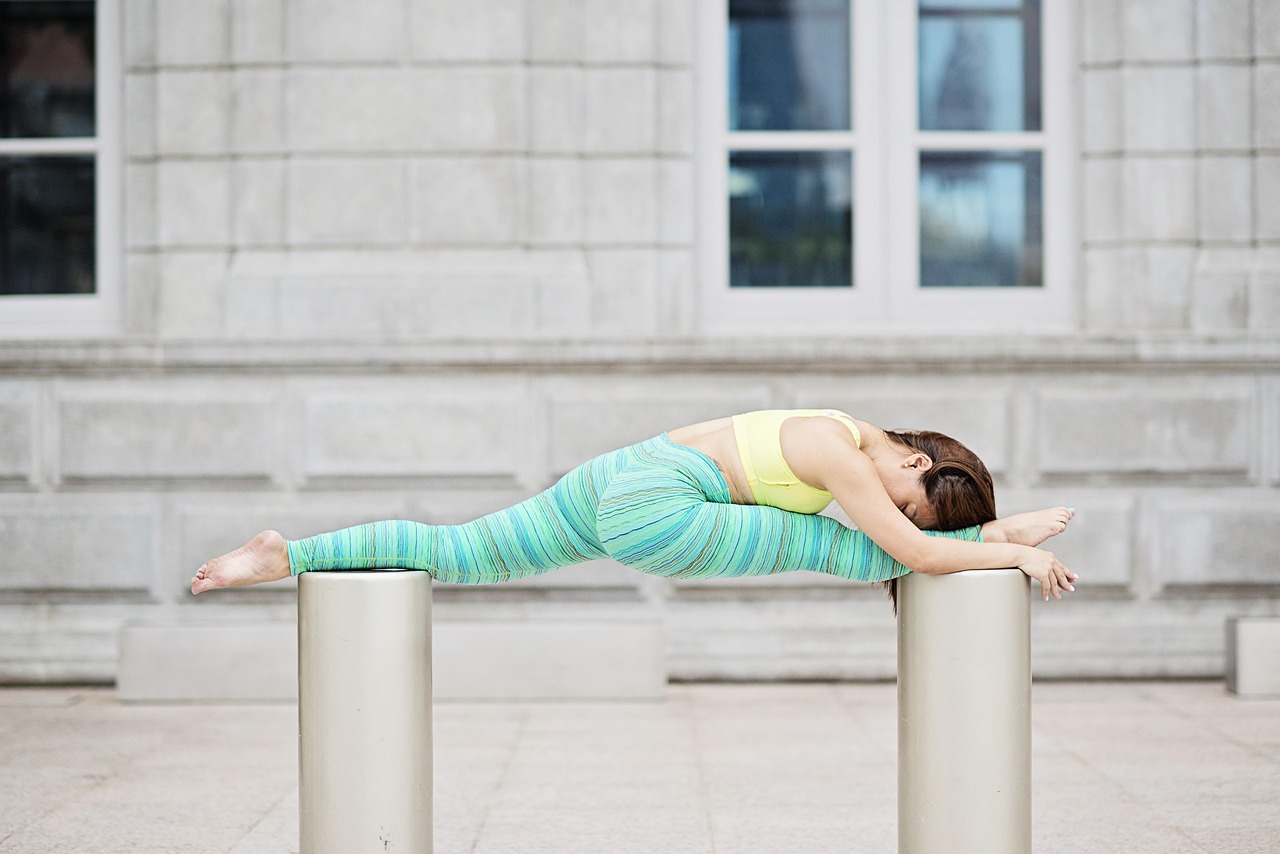
Your Body, Your Rules: Trusting Internal Wisdom 🎯
Perhaps the most important shift in moving beyond the perfect posture myth involves trusting your body’s feedback over external rules. Your nervous system has millions of years of evolutionary wisdom guiding it toward positions and movements that serve your wellbeing.
This doesn’t mean ignoring all external guidance—learning new movement patterns or addressing specific issues can benefit from expert input. However, that guidance works best when it enhances rather than replaces your internal sensing and decision-making.
Building this trust involves experimentation. Try different positions, movement patterns, and workspace setups. Notice what actually feels sustainable and comfortable for you rather than what you’ve been told should work. Your body’s responses provide data that’s far more relevant than generic recommendations.
The journey from pursuing perfect posture to honoring your body’s natural alignment isn’t about lowering standards—it’s about raising them to include comfort, sustainability, and respect for individual variation. Your body isn’t a problem to be fixed but a sophisticated system communicating its needs through sensations and responses.
When you shift from fighting your body toward working with it, you often find that the comfort, ease, and balance you were seeking emerge naturally. Not from rigid adherence to external ideals, but from the dynamic, responsive relationship between your awareness and your body’s wisdom. This approach doesn’t just feel better—it’s actually supported by the latest research on movement, pain, and human biomechanics.
Release the burden of perfect posture and discover what becomes possible when you embrace your body’s natural intelligence. The relief you experience might surprise you—not just physically, but in the mental freedom that comes from ending the constant vigilance of postural self-monitoring. Your body knows far more about what it needs than any rigid rule ever could.