
Rounded shoulders have become one of the most common postural concerns in our modern, screen-dominated world. But before you panic about your posture, it’s important to understand the nuanced reality behind this condition.

Not every case of rounded shoulders requires intervention, and not every rounded shoulder is actually a problem. The relationship between shoulder position, posture, and overall health is far more complex than the simple “stand up straight” advice suggests. Understanding when rounded shoulders truly matter—and when they’re simply a natural variation—can save you unnecessary worry and help you focus on what genuinely improves your wellbeing.
🔍 What Are Rounded Shoulders Really?
Rounded shoulders, medically known as kyphotic shoulder posture or protracted shoulders, occur when your shoulders roll forward from their neutral position. This creates a curved, hunched appearance in the upper back and chest area. The shoulder blades (scapulae) move away from the spine, and the chest muscles often become tight while the upper back muscles stretch and weaken.
This postural pattern involves several anatomical changes. The pectoralis minor and major muscles in the chest typically shorten, while the rhomboids and middle trapezius muscles in the upper back become overstretched and weakened. The serratus anterior, which helps stabilize the shoulder blade, may also become dysfunctional.
It’s crucial to recognize that some degree of shoulder rounding exists on a spectrum. Humans aren’t designed to maintain perfectly aligned postures at all times. Our bodies adapt to the positions we frequently adopt, and some forward shoulder positioning is entirely normal during certain activities.
The Modern Lifestyle Connection
Our contemporary environment has created perfect conditions for shoulder protraction to become widespread. Desk work, smartphone use, driving, and even leisure activities like reading or watching television all encourage forward shoulder positioning. The average person spends over seven hours daily in postures that promote shoulder rounding.
Computer work particularly contributes to this pattern. When typing or using a mouse, most people naturally lean forward slightly, allowing their shoulders to roll inward. Over months and years, the muscles and connective tissues adapt to this position, making it feel “normal” even when standing or walking.
Smartphone use has intensified this issue dramatically. The “text neck” phenomenon—where people crane their necks forward and down to view their phones—automatically brings the shoulders forward as well. Some studies suggest people check their phones over 90 times per day, creating thousands of repetitions of this problematic posture pattern weekly.
⚠️ When Rounded Shoulders Actually Matter
Not all rounded shoulders require correction, but certain signs indicate when this postural pattern becomes problematic. Understanding these red flags helps you distinguish between harmless variation and genuine concerns requiring attention.
Pain and Discomfort Signals
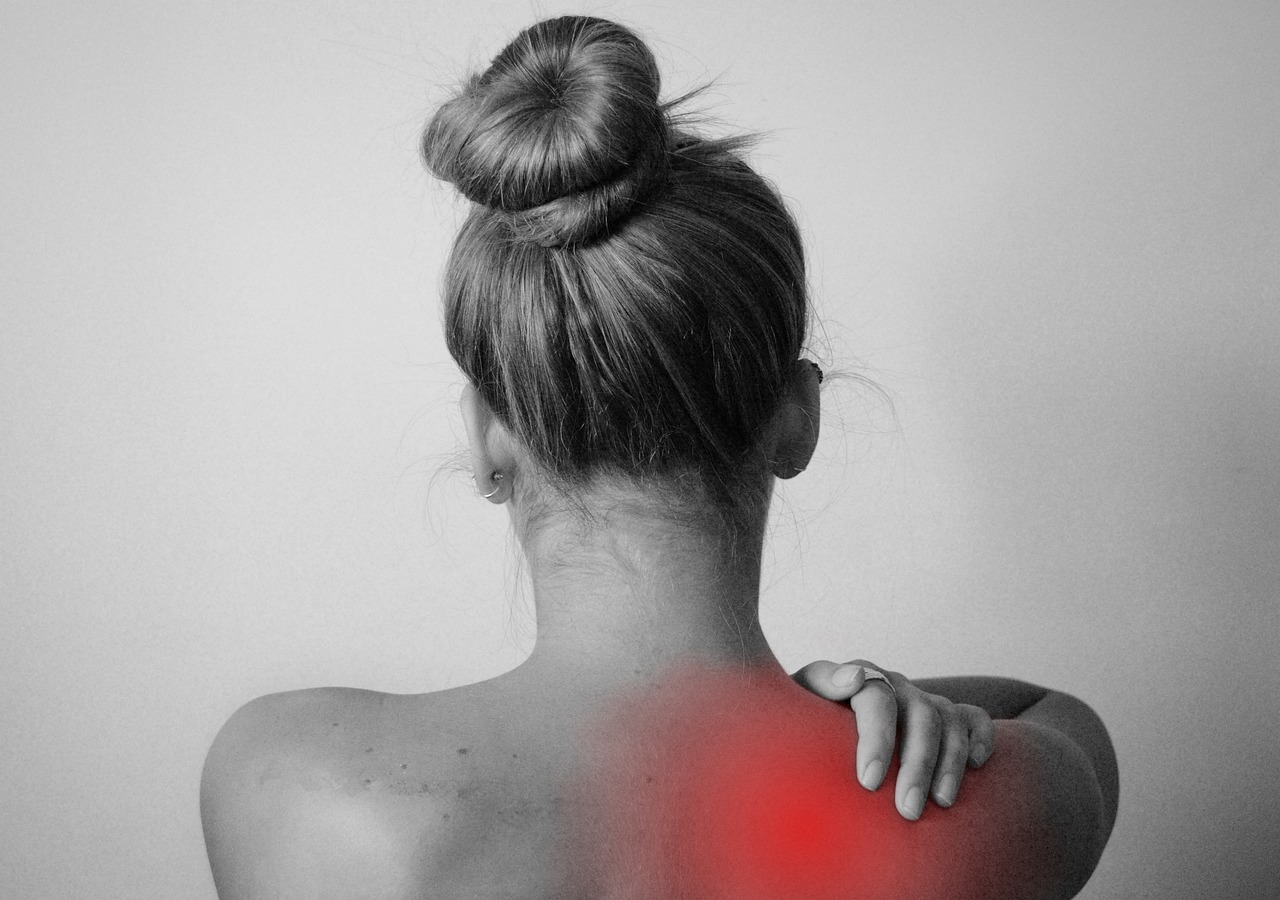
The most obvious indicator that your rounded shoulders need addressing is persistent pain. This might manifest as neck tension, upper back discomfort, or even headaches originating from muscle strain. If your shoulder position causes regular pain or discomfort that interferes with daily activities, it’s moved beyond a cosmetic concern into a functional problem.
Shoulder impingement syndrome often accompanies severe shoulder rounding. This occurs when the rounded position narrows the space through which shoulder tendons pass, causing inflammation and pain during arm movements, particularly when reaching overhead.
Breathing Restrictions
Significantly rounded shoulders can compress the chest cavity, reducing lung capacity and making deep breathing more difficult. If you notice shallow breathing patterns, difficulty taking full breaths, or a feeling of chest tightness, your shoulder posture might be contributing to respiratory limitations.
This breathing restriction can create a cascade of health effects, including reduced oxygen delivery to tissues, increased fatigue, and even anxiety symptoms. The diaphragm cannot function optimally when the ribcage is compressed by forward shoulder positioning.
Functional Limitations
When rounded shoulders limit your ability to perform normal activities, they’ve crossed into problematic territory. Difficulty reaching overhead, trouble putting on jackets, or reduced range of motion during sports or exercise all indicate functional impairment requiring correction.
Professional and athletic performance can suffer significantly. Athletes may experience reduced power generation, decreased stability, and increased injury risk. Office workers might experience earlier fatigue and reduced productivity due to the physical strain of maintaining their compromised posture.
😌 When Rounded Shoulders Don’t Matter Much
Context matters enormously when evaluating shoulder position. There are numerous situations where rounded shoulders are completely benign or even appropriate for the task at hand.
Task-Specific Positioning
During certain activities, forward shoulder positioning is biomechanically efficient and appropriate. When writing by hand, working with tools in front of your body, or performing detailed close-up work, some shoulder protraction is natural and functional.
The problem isn’t temporary shoulder rounding during specific tasks—it’s when this position becomes your default at all times. If your shoulders return to a relatively neutral position when you stand and move freely, temporary rounding during focused work isn’t concerning.
Individual Anatomical Variation
Human skeletal structure varies considerably between individuals. Some people naturally have more forward-set shoulders due to their bone structure, ribcage shape, or joint configuration. If you’ve always had somewhat rounded shoulders without pain or dysfunction, and if this matches your family’s general build, it may simply be your anatomical normal.
Attempting to “fix” natural structural variation often creates more problems than it solves. Forcing your body into positions that don’t match your skeleton can lead to strain, discomfort, and compensation patterns elsewhere in the body.
Age-Related Changes
Some degree of increased thoracic kyphosis (upper back rounding) is a normal part of aging. While excessive rounding can indicate osteoporosis or other concerns, mild age-related postural changes don’t necessarily require aggressive intervention, especially if they’re not causing symptoms.
For older adults, focusing on maintaining function, strength, and mobility often proves more valuable than pursuing idealized postural alignment. Balance, fall prevention, and the ability to perform daily activities take priority over achieving a specific shoulder position.
📊 The Science Behind Posture and Health
Recent research has challenged many traditional assumptions about posture and health. While extreme postural deviations can certainly cause problems, the relationship between “perfect posture” and health outcomes is less clear-cut than previously believed.
Multiple systematic reviews have found weak or inconsistent correlations between specific postural alignments and pain. One person’s “bad posture” might be completely pain-free, while another person with textbook alignment experiences chronic discomfort. This suggests that individual factors, movement patterns, and overall physical conditioning matter more than static posture alone.
The concept of “posture variability” has gained scientific support. Research indicates that regularly changing positions and avoiding prolonged static postures—regardless of whether those postures are “good” or “bad”—promotes better musculoskeletal health than maintaining any single position for extended periods.
💪 Strengthening What Matters
If you’ve determined that your rounded shoulders warrant attention, targeted strengthening exercises offer the most effective intervention. Rather than simply pulling your shoulders back through conscious effort, building strength in the appropriate muscles creates lasting change.
Upper Back Strengthening
The muscles of the mid and upper back—particularly the rhomboids, middle trapezius, and lower trapezius—need strengthening to counteract rounded shoulders. These muscles retract and depress the shoulder blades, opposing the forward pull of tight chest muscles.
Exercises like rows, face pulls, and prone Y-raises specifically target these areas. The key is performing these movements with proper form, focusing on squeezing the shoulder blades together and avoiding compensation from the neck or lower back.
Chest and Front Shoulder Flexibility
Tight chest muscles (pectorals) and anterior deltoids actively pull the shoulders forward. Stretching these areas helps restore balance to the shoulder girdle. Doorway stretches, foam rolling, and targeted release techniques can reduce excessive tension in these muscles.
However, stretching alone rarely solves rounded shoulder problems. The most effective approach combines flexibility work for shortened muscles with strengthening for weakened ones, addressing both sides of the muscular imbalance.
Core and Postural Endurance
Sustainable posture improvements require adequate core strength and postural endurance. Your ability to maintain better positioning throughout the day depends on having the stamina to support that position without excessive fatigue.
Exercises that challenge postural muscles to work over time—such as planks, bird dogs, and wall sits with proper shoulder positioning—build the endurance necessary for real-world posture improvement.
🏃 Movement Over Static Positioning
Perhaps the most important insight from current posture research is that movement matters more than position. The human body is designed for motion, not static holding patterns. Varying your positions throughout the day provides more health benefits than maintaining perfect alignment in a single posture.
The “best posture is your next posture” philosophy encourages regular position changes. If you work at a desk, this might mean alternating between sitting and standing, taking brief walking breaks, and performing shoulder rolls or stretches every 30-45 minutes.
Dynamic sitting—making small adjustments and movements while seated rather than remaining rigidly still—helps maintain circulation, reduces muscle fatigue, and prevents the tissue adaptations that make rounded shoulders permanent.
🧘 Practical Daily Strategies
Implementing sustainable improvements doesn’t require dramatic lifestyle overhauls. Small, consistent changes to your daily routine can significantly impact shoulder positioning over time.
Workspace ergonomics play a crucial role. Position your computer monitor at eye level to avoid forward head positioning that pulls the shoulders with it. Keep frequently used items within easy reach to minimize prolonged reaching or leaning. Consider using a document holder if you reference papers while working at a computer.
Phone use modifications can reduce smartphone-related shoulder rounding. Bring your phone to eye level rather than looking down at it in your lap. Use voice commands when possible, and limit continuous phone use to shorter intervals with breaks between.
Sleep positioning affects shoulder posture more than many people realize. Sleeping on your stomach forces your head to turn to one side and can exaggerate shoulder protraction. Side sleeping with proper pillow support or back sleeping typically maintains better shoulder alignment during rest.
🎯 When to Seek Professional Help
While many cases of rounded shoulders improve with self-directed exercise and awareness, certain situations warrant professional evaluation. Physical therapists, chiropractors, or qualified personal trainers can provide personalized assessments and treatment plans.
Seek professional guidance if you experience persistent pain despite self-care efforts, if your shoulder rounding seems to be rapidly worsening, or if you notice asymmetry (one shoulder significantly more forward than the other). These signs might indicate underlying issues requiring expert attention.
Progressive functional limitations—such as increasing difficulty with overhead activities, worsening range of motion, or new numbness or tingling in the arms—also warrant professional evaluation. These symptoms might indicate nerve compression or other complications requiring specific treatment.
Finding Balance Between Concern and Obsession
The cultural focus on perfect posture can create unnecessary anxiety. Social media is filled with before-and-after posture transformation images, often exaggerating the health dangers of common postural variations. This fear-based messaging rarely serves people well.
A balanced perspective recognizes that posture matters, but it’s not the sole determinant of health or the cause of all physical discomfort. Rounded shoulders exist on a spectrum from completely benign to genuinely problematic. Most people fall somewhere in the middle—experiencing some degree of shoulder protraction that could improve but isn’t causing significant harm.
Rather than striving for an idealized postural perfection, focus on functional capacity, pain-free movement, and overall well-being. If your shoulders are somewhat rounded but you move well, feel good, and can perform all the activities that matter to you, you’re probably fine.
Your Personal Posture Assessment
To determine whether your rounded shoulders warrant intervention, ask yourself these questions: Do you experience regular pain or discomfort related to your shoulder position? Has your range of motion decreased? Do daily activities feel more difficult? Does your breathing feel restricted? Have you noticed progressive worsening over time?
If you answered yes to multiple questions, addressing your shoulder posture likely offers benefits. If you answered no to most questions, your rounded shoulders probably fall within the range of normal variation that doesn’t require intervention.
Remember that body awareness itself has value. Simply noticing when you’ve maintained a static position for too long and making a small adjustment—rolling your shoulders, taking a brief walk, or changing positions—provides significant benefits regardless of whether your baseline posture is “perfect.”
Ultimately, the goal isn’t achieving an idealized alignment but rather cultivating a body that moves well, feels comfortable, and supports the activities you value. Rounded shoulders matter when they interfere with these goals—and they don’t matter much when they’re simply part of your unique structure that functions without problems. Listen to your body, prioritize movement over static positioning, and seek help when genuine functional issues arise rather than pursuing arbitrary aesthetic standards.