
Spending hours at your desk can take a serious toll on your body, especially your neck and spine. Poor monitor positioning is one of the leading causes of workplace discomfort and long-term health issues.

Understanding how to properly position your monitor isn’t just about comfort—it’s about preventing chronic pain, reducing eye strain, and maintaining productivity throughout your workday. The right monitor height can transform your workspace from a source of daily pain into an ergonomic haven that supports your health and well-being.
🖥️ Why Monitor Height Matters More Than You Think
Your monitor’s position directly affects your posture, which influences everything from your neck alignment to your breathing patterns. When your screen sits too high or too low, your body compensates by tilting your head, rounding your shoulders, or slouching—all recipes for chronic pain.
Research shows that improper monitor positioning contributes to conditions like forward head posture, cervical spine strain, and computer vision syndrome. For every inch your head moves forward from its neutral position, it adds approximately 10 pounds of pressure on your neck muscles. This cumulative stress leads to tension headaches, upper back pain, and reduced concentration.
The ergonomic sweet spot for monitor placement isn’t arbitrary—it’s based on anatomical principles that keep your spine neutral and your muscles relaxed. When positioned correctly, your monitor allows you to maintain the natural S-curve of your spine while keeping your eye muscles in a comfortable, neutral state.
Understanding the Ideal Monitor Position 📐
The standard ergonomic recommendation places your monitor’s top edge at or slightly below eye level when you’re seated upright. Your eyes should naturally fall on the upper third of the screen without tilting your head up or down. This positioning aligns with your natural downward gaze angle of approximately 10-20 degrees.
Distance matters just as much as height. Your monitor should sit at arm’s length away—typically 20 to 40 inches from your eyes, depending on screen size. Larger monitors require greater distances to prevent neck strain from excessive side-to-side head movement and to reduce eye fatigue.
Key Measurements for Perfect Monitor Positioning
Several critical measurements determine your optimal setup:
- Eye-to-screen distance: One arm’s length (approximately 50-70 cm) for standard monitors
- Viewing angle: 10-20 degrees downward from horizontal eye level
- Screen tilt: 10-20 degrees backward from vertical to match your viewing angle
- Top of screen position: At or just below eye level when seated properly
- Center of screen: 15-20 degrees below horizontal eye line
Calculating Your Perfect Monitor Height 🧮
Determining your ideal monitor height starts with measuring your seated eye height. Sit in your regular work chair with your feet flat on the floor, back against the backrest, and shoulders relaxed. Have someone measure from the floor to your eye level, or use a tape measure against a wall.
Subtract 2-3 inches from this measurement to find where the top of your monitor should sit. For example, if your seated eye height is 48 inches, your monitor’s top edge should be around 45-46 inches from the floor. This puts the center of your screen—where you’ll do most of your viewing—in that optimal 15-20 degree downward angle zone.
Your desk height plays a crucial role in this equation. Standard desks sit at 28-30 inches high, but if you’re particularly tall or short, this may not suit you. Adjustable-height desks offer the flexibility to fine-tune your entire workstation for optimal ergonomics.
Adjusting for Different Body Types
Individual variations require personalized adjustments. Taller individuals typically need monitor arms or stands to raise screens sufficiently, while shorter people might need to lower their monitors or raise their chairs. Bifocal or progressive lens wearers may need screens positioned slightly lower to view through the correct lens portion without tilting their heads back.
Common Monitor Height Mistakes That Cause Pain 😣
The most frequent error is placing laptops directly on desks. Laptop screens sit far too low, forcing users into a hunched position that strains the neck and upper back. This posture compresses the chest cavity, restricting breathing and reducing oxygen flow to your brain—affecting concentration and energy levels.
Positioning monitors too high is equally problematic. When you constantly look upward, you strain the muscles at the back of your neck and create tension in your shoulders. This position also dries your eyes faster because they’re opened wider, leading to increased discomfort and reduced blinking rates.
Multi-monitor setups present unique challenges. Positioning two screens at different heights or angles forces your neck into asymmetrical positions throughout the day, creating muscular imbalances and one-sided pain. Your primary monitor should sit directly in front of you, with secondary screens positioned to require minimal head rotation.
🛠️ Tools and Solutions for Optimal Monitor Height
Monitor arms offer the most versatile solution for achieving perfect positioning. These adjustable mounts attach to your desk edge and allow you to move your screen in multiple directions—up, down, forward, backward, and even rotating. Quality monitor arms support various weight capacities and include cable management features for a cleaner workspace.
Monitor stands and risers provide simpler alternatives for those who don’t need constant adjustability. Available in fixed and adjustable heights, these platforms elevate your screen while often providing storage space underneath for keyboards or documents. Look for sturdy construction that won’t wobble when you type or adjust your screen angle.
DIY Solutions and Budget Options
If professional equipment isn’t immediately available, temporary solutions can still improve your setup. Textbooks, reams of paper, or sturdy boxes can raise your monitor to a better height. While not ideal long-term solutions, these options demonstrate the importance of proper positioning and let you experience the benefits before investing in permanent equipment.
For laptop users, external keyboards and mice are essential companions to laptop stands. This combination allows you to elevate your screen to eye level while maintaining a comfortable keyboard position. Wireless options reduce cable clutter and increase positioning flexibility.
Beyond Height: Complete Workstation Ergonomics 🪑
Monitor height represents just one component of comprehensive workspace ergonomics. Your chair height should allow your feet to rest flat on the floor with thighs parallel to the ground. Your elbows should bend at approximately 90 degrees when your hands rest on your keyboard, with your wrists straight and neutral.
Keyboard and mouse positioning significantly impacts upper body comfort. These input devices should sit at the same height, close enough that you don’t reach forward or outward. Your shoulders should remain relaxed, not elevated or rounded forward. Consider a keyboard tray if your desk is too high to maintain these positions comfortably.
Lighting conditions affect both your posture and eye comfort. Position your monitor perpendicular to windows to minimize glare, or use adjustable blinds to control natural light. Ensure ambient lighting is bright enough that you’re not straining to see, but not so bright that it creates screen reflections or excessive contrast.
The Science Behind Proper Viewing Angles 🔬
Your eyes naturally prefer looking slightly downward—a position that minimizes muscle strain and keeps your eyelids partially closed, reducing tear evaporation. Studies in occupational health consistently show that downward viewing angles between 10-20 degrees significantly reduce neck muscle activation compared to horizontal or upward gazes.
This downward preference isn’t arbitrary—it’s evolutionary. Throughout human history, most visual tasks occurred below eye level, from reading and writing to tool use and food preparation. Our visual and musculoskeletal systems evolved to support this natural downward focus efficiently.
The vestibulo-ocular reflex, which stabilizes images on your retina during head movement, works most efficiently when your head is upright and eyes gaze slightly downward. Forcing your eyes into prolonged upward gazing disrupts this system, causing eye fatigue and reduced visual processing efficiency.
Recognizing Signs Your Monitor Height Is Wrong ⚠️
Your body provides clear signals when your monitor positioning needs adjustment. Frequent neck stiffness, especially at the end of workdays, indicates your head has been held in non-neutral positions for extended periods. Upper back pain between your shoulder blades often results from rounded shoulders compensating for screens positioned too low.
Tension headaches that develop during work hours and ease after leaving your desk frequently stem from neck strain caused by poor monitor positioning. These headaches typically start at the base of the skull and radiate forward, distinguishing them from other headache types.
Eye-related symptoms also signal positioning problems. If you find yourself frequently tilting your head to see clearly, squinting, or experiencing dry, irritated eyes, your monitor’s position likely forces uncomfortable viewing angles. Blurred vision after extended screen time can indicate you’re unconsciously changing your focal distance by leaning forward or back to compensate for improper positioning.
Implementing Changes: A Transition Strategy 📅
Suddenly changing your monitor position after months or years of poor ergonomics can feel uncomfortable initially. Your muscles and proprioceptive system have adapted to your previous setup, even if that setup was harmful. Gradually transitioning to proper positioning allows your body to adapt without causing additional discomfort.
Start by making small adjustments—raising or lowering your monitor by an inch and using that position for several days before making further changes. This incremental approach prevents the muscle soreness that can occur when suddenly demanding different postures from adapted soft tissues.
Combine position changes with stretching and movement breaks. Set reminders every 30-60 minutes to stand, stretch your neck and shoulders, and look at distant objects to relax your eye muscles. These breaks amplify the benefits of proper positioning by preventing static muscle loading, regardless of how ergonomic your setup becomes.
Tracking Your Progress
Keep a brief daily log of any neck pain, eye strain, or headaches during your transition period. Rate discomfort on a simple 1-10 scale and note which adjustments correspond with improvements. This objective tracking helps identify your optimal setup and provides motivation as symptoms decrease.
Special Considerations for Different Work Scenarios 💼
Remote workers face unique challenges with home office setups that often lack professional ergonomic equipment. Kitchen tables, couches, and makeshift workspaces rarely support proper postures. Investing in even basic ergonomic tools for home offices pays dividends in comfort and long-term health, especially for permanent remote positions.
Hot-desking and shared workspace environments require portable ergonomic solutions. Laptop stands that fold flat, portable external keyboards, and adjustable seat cushions allow you to create better positioning wherever you work. Developing a routine for setting up your ergonomic essentials at any workspace becomes second nature with practice.
Gaming setups deserve equal ergonomic attention, as gaming sessions often exceed typical work hours. The same principles apply—monitor at eye level, appropriate distance, and supportive seating. Gaming-specific considerations include positioning multiple monitors symmetrically and ensuring your chair supports the leaned-back postures common in gaming without forcing screen viewing at poor angles.
Technology-Assisted Posture Monitoring 📱
Modern technology offers tools to help maintain proper posture throughout your workday. Posture reminder applications use your device’s camera to detect when you’re slouching or leaning forward, providing gentle alerts to correct your position. While not substitutes for proper initial positioning, these tools build awareness of postural habits.
Wearable posture devices attach to your upper back and vibrate when you deviate from upright alignment. These tactile reminders work subconsciously to reinforce better postural patterns. Combined with proper monitor positioning, they accelerate the development of healthier work habits.
Long-Term Health Benefits of Proper Monitor Positioning 🌟
Maintaining proper monitor height and workspace ergonomics delivers benefits that extend far beyond immediate comfort. Preventing forward head posture protects cervical spine health, reducing the risk of degenerative disc disease and nerve compression conditions that become more common with age.
Proper positioning supports better breathing mechanics by keeping your chest open and diaphragm uncompressed. This improved respiration increases oxygen delivery to your brain, enhancing cognitive function, mood, and energy levels throughout the day. Many people report improved focus and reduced afternoon fatigue after optimizing their workspace ergonomics.
Reducing chronic muscle tension prevents the development of trigger points—hyperirritable muscle knots that refer pain to other areas. These trigger points commonly develop in neck and shoulder muscles subjected to prolonged poor postures, creating pain patterns that persist even away from your desk.
Creating Sustainable Ergonomic Habits 🎯
Perfect monitor positioning loses its effectiveness if you don’t maintain proper postures throughout your day. Conscious awareness of your body position gradually becomes automatic with consistent practice. Start by checking your posture each time you sit down—feet flat, back supported, shoulders relaxed, and screen at eye level.
Build movement into your routine. Even optimal ergonomics can’t overcome the health effects of prolonged sitting. Stand and move for at least 5 minutes every hour. Walk during phone calls, stand while reading documents, and use movement breaks as opportunities to perform simple stretches that counteract sitting postures.
Regular strength training for your core, back, and neck muscles supports better posture by making proper alignment easier to maintain. Strengthening exercises needn’t be time-consuming—a few targeted exercises several times weekly significantly improve postural endurance and reduce discomfort.
Making Your Investment Count 💰
Ergonomic equipment represents an investment in your health and productivity. Quality monitor arms typically range from $100-300, while adjustable standing desks cost $300-1000 or more. These prices may seem significant, but compared to medical costs for treating chronic pain conditions or reduced productivity from discomfort and distraction, they’re remarkably cost-effective.
Many employers provide ergonomic equipment or stipends for home office setups, recognizing the business value of comfortable, healthy employees. Don’t hesitate to request proper equipment—present your case with evidence about productivity benefits and reduced absenteeism from ergonomic improvements.
For budget-conscious individuals, prioritize versatile solutions that accommodate future changes. A quality monitor arm adapts to different desks, monitors, and working positions, making it a worthwhile investment even if other workspace elements change. Similarly, adjustable solutions accommodate multiple users in shared spaces.
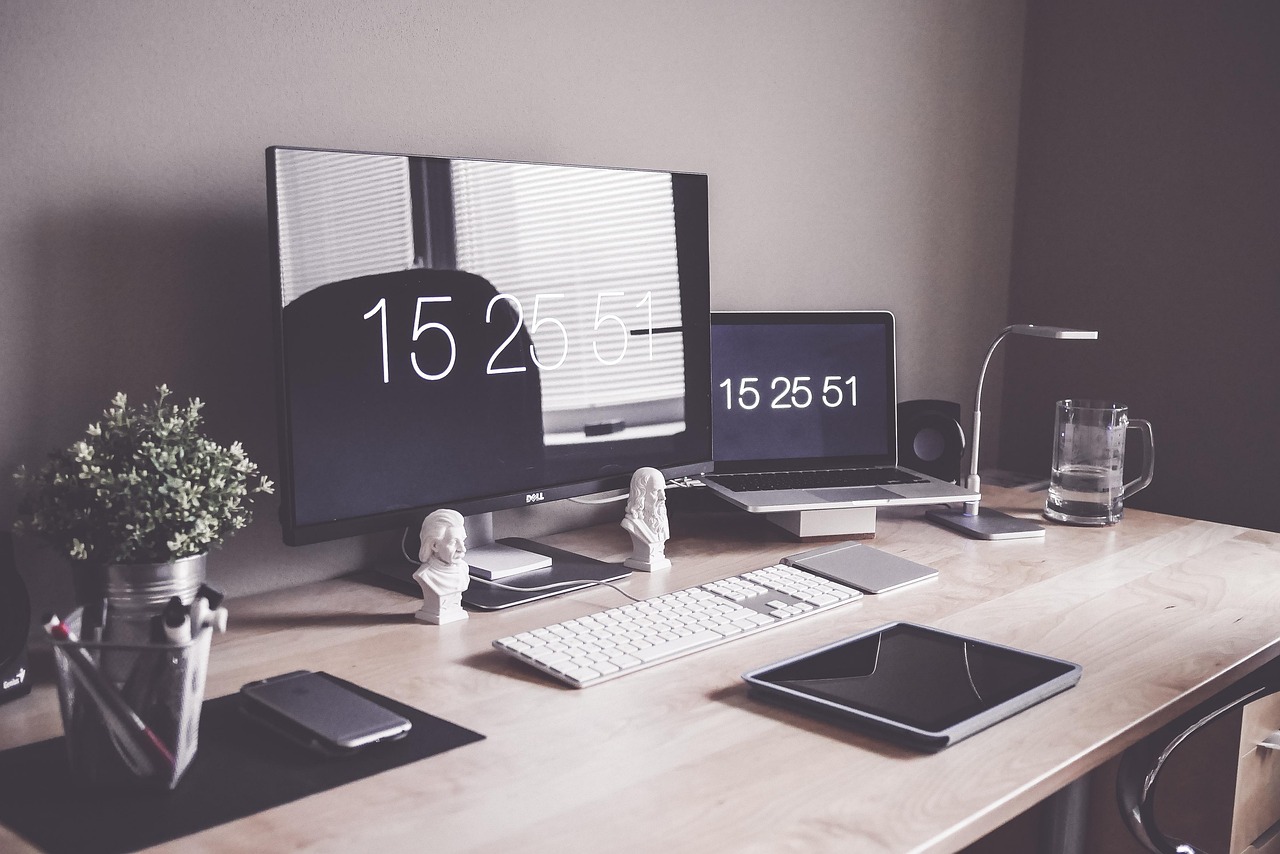
Your Action Plan for Workspace Optimization ✅
Begin by assessing your current setup. Sit in your normal working position and have someone photograph you from the side. Compare your posture to ergonomic guidelines—is your head forward? Are your shoulders rounded? Is your monitor forcing upward or downward gazes?
Measure your seated eye height and calculate your ideal monitor position. Implement changes using available resources, whether that’s purchasing proper equipment or creating temporary solutions while you acquire better tools. Make one significant change at a time, allowing your body to adapt before adding further modifications.
Schedule a follow-up assessment after two weeks. Have you noticed reduced discomfort? Are you maintaining better postures more consistently? Use these observations to guide further refinements, remembering that optimal ergonomics is personal—what works perfectly for one person may need adjustment for another.
Transform your workspace into an environment that supports your health rather than undermining it. Proper monitor positioning forms the foundation of ergonomic workstation design, preventing the neck pain and postural problems that plague so many desk workers. The time and resources you invest in optimizing your setup will repay you many times over through improved comfort, sustained productivity, and long-term musculoskeletal health. Your future self will thank you for taking these steps today toward a pain-free working life.