
Modern work environments demand constant focus, quick decisions, and sustained productivity. Yet mounting stress and mental fatigue can derail even the most dedicated professional’s performance and well-being.

The good news? You don’t need a vacation or complete career change to reset your nervous system. Simple, science-backed breathing techniques can transform your workday, helping you manage stress, sharpen focus, and maintain emotional balance—all in just a few minutes. These powerful tools are always available, require no equipment, and can be practiced discreetly at your desk, in meeting breaks, or even during your commute.
🧠 Why Breathing Techniques Work: The Science Behind Stress Relief
Your breath is directly connected to your autonomic nervous system, which controls your stress response. When you’re anxious or overwhelmed, your breathing becomes shallow and rapid, triggering your sympathetic nervous system—the “fight or flight” response. This floods your body with cortisol and adrenaline, making clear thinking nearly impossible.
Controlled breathing activates your parasympathetic nervous system—your body’s natural “rest and digest” mode. This physiological shift lowers heart rate, reduces blood pressure, and signals your brain that you’re safe. Research published in the Journal of Neurophysiology shows that slow, deep breathing can reduce stress hormones by up to 50% within just five minutes.
Unlike other stress-management strategies that require time, space, or resources, breathing exercises are immediately accessible. Your breath is the only bodily function that’s both automatic and consciously controllable, making it the perfect bridge between mind and body during stressful moments.
⏰ The 4-7-8 Technique: Your Emergency Stress Button
Developed by Dr. Andrew Weil, the 4-7-8 breathing technique is often called a “natural tranquilizer for the nervous system.” This method is particularly effective when you’re feeling anxious before a presentation, overwhelmed by deadlines, or struggling to transition between demanding tasks.
Here’s how to practice it:
- Exhale completely through your mouth, making a whoosh sound
- Close your mouth and inhale quietly through your nose for a count of 4
- Hold your breath for a count of 7
- Exhale completely through your mouth for a count of 8
- Repeat the cycle three more times for a total of four breaths
The key is maintaining the 4:7:8 ratio rather than the specific duration. If holding for 7 seconds feels uncomfortable, try a 2:3.5:4 ratio instead. The extended exhale is crucial—it activates your vagus nerve, which tells your brain to calm down. Many professionals report feeling noticeably calmer after just one round, with effects improving with regular practice.
📊 Box Breathing: The Technique Navy SEALs Use Under Pressure
Box breathing, also known as square breathing or four-square breathing, is used by Navy SEALs, police officers, and emergency responders to maintain composure in high-stress situations. Its equal-length phases create a rhythmic pattern that’s easy to remember and remarkably effective at restoring focus.
The basic pattern involves four equal steps:
- Inhale through your nose for 4 counts
- Hold your breath for 4 counts
- Exhale through your nose or mouth for 4 counts
- Hold empty for 4 counts
- Repeat for 4-5 rounds or about 2-3 minutes
This technique is exceptional for moments requiring quick mental reset—before important phone calls, after difficult conversations, or when transitioning between projects. The symmetry creates a meditative quality that occupies your conscious mind just enough to interrupt ruminating thoughts while regulating your nervous system.
Advanced practitioners can extend the count to 5 or 6 seconds per phase, but four seconds is ideal for workplace settings where you might be interrupted. You can practice box breathing with your eyes open, making it perfect for discreet stress management during video calls or meetings.
🌬️ Alternate Nostril Breathing: Ancient Wisdom for Modern Stress
Nadi Shodhana, or alternate nostril breathing, comes from yogic tradition and has been practiced for thousands of years. Recent neuroscience research validates what practitioners have long known—this technique balances the left and right hemispheres of your brain, promoting mental clarity and emotional equilibrium.
To practice alternate nostril breathing:
- Sit comfortably with your spine straight
- Use your right thumb to close your right nostril
- Inhale slowly through your left nostril
- Close your left nostril with your ring finger, release your right nostril
- Exhale through your right nostril
- Inhale through your right nostril
- Close right nostril, release left, and exhale through left
- This completes one round; continue for 5-10 rounds
This technique is particularly beneficial during mid-afternoon energy slumps or when you’re feeling mentally scattered. The focus required to coordinate the nostril switching naturally interrupts stress thought patterns, while the balanced breathing harmonizes your nervous system. Many users report enhanced creativity and problem-solving abilities after just a few minutes of practice.
💨 Diaphragmatic Breathing: The Foundation of All Techniques
Also known as belly breathing, diaphragmatic breathing is the most fundamental and perhaps most important technique to master. Most adults are chronic chest breathers—taking shallow breaths that use only the upper portion of their lungs. This inefficient breathing pattern actually maintains stress even when you’re trying to relax.
True diaphragmatic breathing engages your entire respiratory system and maximizes oxygen exchange. Here’s how to practice it properly:
- Place one hand on your chest and one on your belly
- Breathe in slowly through your nose, allowing your belly to expand while your chest remains relatively still
- Your lower hand should rise significantly while your upper hand barely moves
- Exhale slowly through pursed lips, feeling your belly deflate
- Practice for 5-10 minutes, gradually making this your default breathing pattern
Unlike techniques designed for acute stress moments, diaphragmatic breathing is something you can gradually train yourself to do automatically throughout your day. This creates a baseline of calm that prevents stress from accumulating in the first place. Setting hourly reminders to check your breathing pattern can help establish this healthier habit.
⚡ Energizing Breath: When You Need Focus, Not Calm
Not all work stress comes from anxiety—sometimes you’re simply exhausted, foggy, or unable to concentrate. For these moments, you need an energizing breathing technique rather than a calming one. Kapalabhati, or “skull-shining breath,” is a powerful pranayama technique that increases alertness and mental clarity.
Practice energizing breath with caution and awareness:
- Sit with a straight spine and take a deep, cleansing breath
- Begin forceful, short exhales through your nose by contracting your abdominal muscles
- Allow passive, automatic inhales between each exhale
- Start with 20 breath cycles, gradually building to 50-100
- Take a recovery breath and notice the increased clarity
This technique should not be practiced by pregnant women, people with high blood pressure, or those with respiratory conditions without medical guidance. When done correctly, it’s remarkably effective at clearing mental fog, increasing energy, and preparing your mind for demanding cognitive tasks. Consider using it after lunch or during the typical 3 PM energy crash.
🔄 Creating Your Personal Stress-Reset Protocol
The most effective approach isn’t choosing one technique and sticking with it religiously—it’s building a personalized toolkit that addresses different types of stress throughout your workday. Consider mapping specific techniques to common workplace stressors:
| Situation | Best Technique | Duration |
|---|---|---|
| Pre-presentation anxiety | 4-7-8 Breathing | 2-3 minutes |
| After difficult conversation | Box Breathing | 3-5 minutes |
| Afternoon energy slump | Energizing Breath | 1-2 minutes |
| Mental overwhelm | Alternate Nostril Breathing | 5 minutes |
| General background stress | Diaphragmatic Breathing | Ongoing practice |
Start by implementing just one or two techniques that resonate with your most common stress triggers. Consistency matters more than variety. Practice your chosen technique daily for at least two weeks before adding additional methods. This builds neural pathways that make the stress-reset response more automatic over time.
📱 Technology as Your Breathing Coach
While breathing techniques require no equipment, technology can support your practice through reminders, guided sessions, and progress tracking. Several apps offer structured breathing exercises specifically designed for workplace stress management.
Breathing exercise apps like Breathwrk provide guided sessions ranging from energizing to calming techniques, with visual cues that help you maintain proper rhythm. These digital tools are particularly helpful when you’re learning new techniques or need extra motivation during stressful periods.
Many smartwatches now include breathing reminders and guided sessions, making it even easier to integrate stress-reset moments into your day. The Apple Watch, Fitbit, and Garmin devices all offer breathing exercises that can be completed discreetly during work hours.
🎯 Strategic Timing: When to Practice for Maximum Impact
Random breathing exercises provide benefits, but strategic timing amplifies their effectiveness significantly. Build stress-reset moments into natural transition points throughout your workday:
Morning arrival: Before checking email or diving into tasks, spend 3-5 minutes with diaphragmatic breathing to set a calm baseline for your day. This prevents you from immediately entering reactive stress mode.
Pre-meeting preparation: Two minutes of box breathing before important meetings sharpens focus and reduces anxiety. This is especially valuable before presentations, difficult conversations, or high-stakes negotiations.
Post-lunch reset: Combat the afternoon slump with energizing breath techniques around 2-3 PM. This is far more effective than reaching for another coffee and won’t interfere with evening sleep.
Task transitions: Use 60-90 seconds of any calming technique when switching between projects. This clears mental residue from the previous task and prepares your brain for different cognitive demands.
End-of-day decompression: Five minutes of alternate nostril breathing helps transition from work mode to personal time, preventing work stress from contaminating your evening and relationships.
🚫 Common Mistakes That Sabotage Your Practice
Many well-intentioned professionals abandon breathing techniques because they don’t experience the promised benefits. Usually, this isn’t because the techniques don’t work—it’s because of common practice errors:
Breathing too forcefully: Effective breathing should be gentle and smooth, not aggressive. Forcing air in or out activates stress responses rather than calming them. Think “effortless” rather than “powerful.”
Practicing only during crisis moments: Breathing techniques work best when practiced regularly during low-stress times, building skills you can access during emergencies. Waiting until you’re panicking makes effective practice nearly impossible.
Expecting instant transformation: While some calming effects are immediate, the full benefits of breathing practices accumulate over weeks of consistent practice. Your nervous system needs time to retrain its default stress responses.
Holding excessive tension: Check your shoulders, jaw, and forehead during breathing exercises. Unconscious tension in these areas blocks the full relaxation response. Consciously release these muscles as you practice.
Inconsistent practice: Sporadic, intense practice sessions are less effective than brief, daily practice. Five minutes every day beats 30 minutes once a week for rewiring your stress response.
🌟 Beyond Breathing: Integrating Full-Body Stress Resets
While breathing forms the foundation of quick stress management, combining breath work with subtle physical techniques creates even more powerful resets. These integrated approaches work synergistically to release stress stored in your body:
Breath + Progressive Muscle Relaxation: Pair diaphragmatic breathing with systematically tensing and releasing muscle groups. This clears both mental and physical stress simultaneously.
Breath + Gentle Movement: Combine box breathing with slow neck rolls or shoulder shrugs. The movement helps release physical tension while the breathing regulates your nervous system.
Breath + Visualization: During any calming technique, visualize stress leaving your body with each exhale. This cognitive element enhances the physiological effects of breathwork.
Breath + Grounding: Practice breathing exercises while consciously feeling your feet on the floor and your body in your chair. This sensory awareness anchors you in the present moment, interrupting anxious thoughts about future deadlines or past mistakes.
💼 Making It Sustainable: Building a Long-Term Practice
The difference between knowing these techniques and actually benefiting from them lies in consistent implementation. Creating sustainable habits requires intentional strategy:
Start with environmental cues. Place a sticky note on your computer monitor, set phone reminders, or use your coffee breaks as breathing practice triggers. The goal is making stress-reset moments as automatic as checking your email.
Track your practice without obsessing over perfection. A simple checkmark on your calendar for days you practiced builds awareness and motivation without creating additional stress. Notice patterns—are you skipping practice on your busiest days when you need it most?
Share your practice with colleagues. When coworkers see you taking brief breathing breaks, you normalize stress management and may inspire others. Some workplaces have successfully implemented group breathing breaks, creating cultural support for individual practice.
Celebrate small wins. Notice when you automatically reach for breathing instead of scrolling social media during stressful moments. Recognize when you navigate a challenging situation more calmly than you would have previously. These victories reinforce your commitment to the practice.
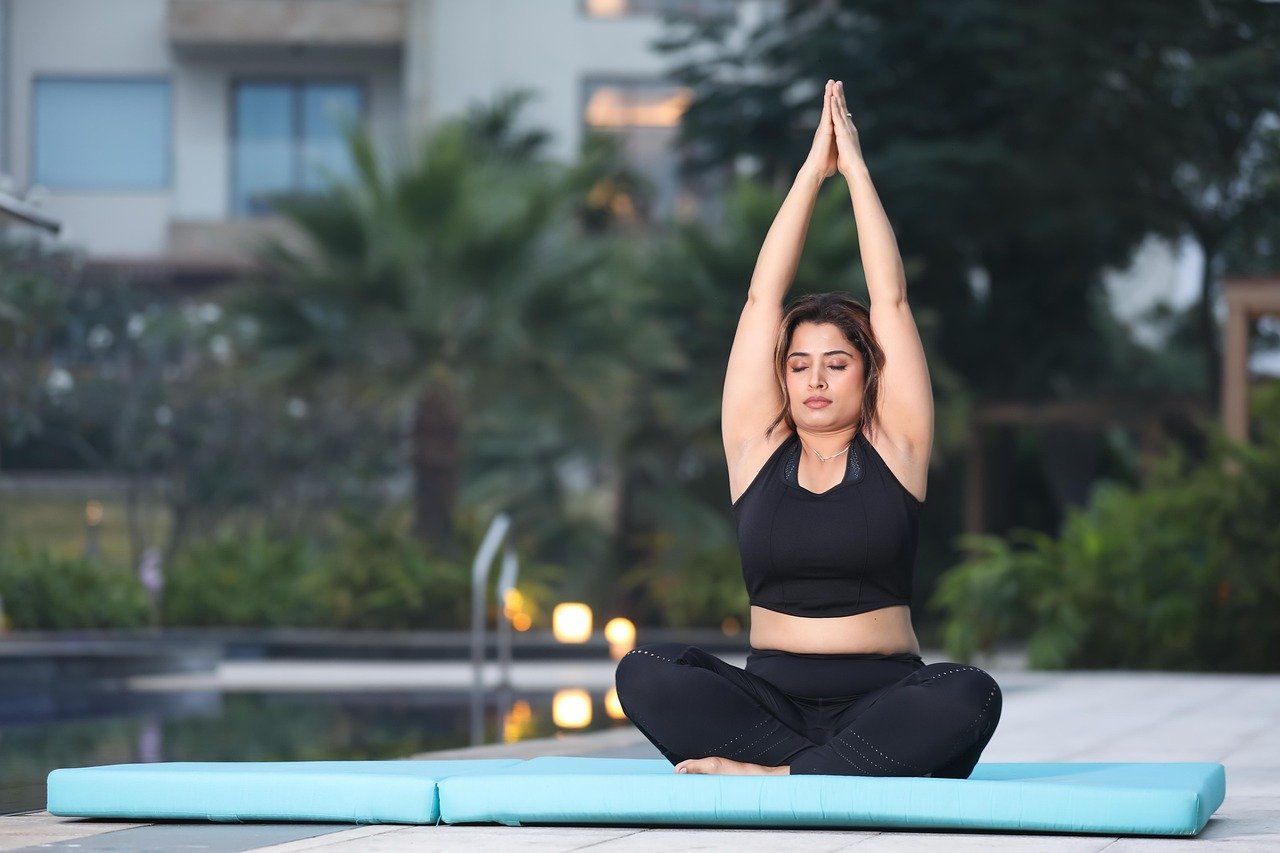
🎁 The Compound Benefits: What Regular Practice Creates
Consistent breathing practice creates benefits that extend far beyond individual stress-reset moments. Over time, practitioners report profound shifts in their relationship with workplace stress:
Increased stress resilience means challenges that previously triggered immediate anxiety responses now feel more manageable. Your baseline stress tolerance rises, making you less reactive to daily frustrations.
Enhanced emotional intelligence develops as you become more aware of your physiological stress signals. You notice tension building earlier and intervene before reaching crisis levels.
Improved focus and productivity emerge as your nervous system spends less time in fight-or-flight mode. Mental energy previously consumed by stress becomes available for creative problem-solving and strategic thinking.
Better sleep quality results from lower overall cortisol levels and an enhanced ability to transition from work stress to evening relaxation. This creates a positive feedback loop—better rest makes stress management easier the following day.
Your breathing practice becomes not just a stress management tool but a fundamental life skill that serves you in countless situations beyond the workplace. From difficult personal conversations to travel stress to health challenges, these techniques provide a portable, reliable resource for navigating life’s inevitable pressures.
The beauty of breathing techniques lies in their simplicity and accessibility. You already have everything you need—no apps, equipment, or special locations required. Your next breath can be the beginning of a calmer, more focused, more resilient professional life. The question isn’t whether these techniques work; it’s whether you’ll commit to practicing them consistently enough to experience their transformative power.