
We’ve all been there—sinking into our chairs, shoulders rounded, spine curved like a question mark. But is this comfortable position slowly destroying our health, or have we been worried about nothing? 🤔

The debate around slouching has intensified as more people work from home and spend countless hours glued to screens. Some experts warn of dire consequences, while others suggest our bodies are more adaptable than we think. Understanding the truth behind slouching isn’t just about sitting up straight—it’s about comprehending how our modern lifestyle impacts our long-term wellbeing.
The Science Behind Slouching: What Actually Happens to Your Body
When you slouch, your body undergoes a complex series of biomechanical changes that extend far beyond simple aesthetics. Your spine, designed with natural curves to distribute weight efficiently, gets compressed in ways it wasn’t meant to handle. The cervical, thoracic, and lumbar regions all shift from their optimal positions.
Research from the Journal of Physical Therapy Science demonstrates that prolonged slouching increases pressure on spinal discs by up to 40% compared to proper posture. This additional pressure doesn’t just disappear—it accumulates over time, potentially leading to disc degeneration and chronic pain conditions.
Your muscles also tell a revealing story. When you slouch, certain muscle groups like your chest muscles and hip flexors tighten and shorten, while opposing muscles in your upper back and core weaken and lengthen. This creates what physiotherapists call “muscular imbalance,” setting the stage for persistent discomfort.
The Domino Effect on Internal Organs
Perhaps most surprising is how slouching affects your internal organs. When your torso collapses forward, your ribcage compresses, reducing lung capacity by up to 30%. This means less oxygen reaches your bloodstream with each breath, potentially affecting energy levels and cognitive function throughout the day.
Your digestive system doesn’t escape unscathed either. Slouching compresses your abdominal cavity, which can slow digestion and contribute to issues like acid reflux and constipation. Some gastroenterologists suggest that chronic poor posture may exacerbate existing digestive conditions.
Debunking Common Myths About Sitting Posture
Despite what your grandmother might have told you, not every aspect of the anti-slouching campaign holds up under scientific scrutiny. Let’s separate fact from fiction when it comes to sitting posture and health outcomes.
One prevalent myth suggests that there’s a single “perfect” posture everyone should maintain. In reality, research published in Ergonomics journal indicates that static positioning—even in “correct” posture—can be just as problematic as slouching. The human body thrives on movement and variation, not rigid positioning.
Another misconception is that slouching directly causes permanent spinal damage in everyone. While poor posture certainly increases risk factors, individual variations in anatomy, genetics, and overall health play significant roles. Some people slouch for years with minimal consequences, while others develop problems quickly.
The “Text Neck” Phenomenon: Real Threat or Overblown Concern?
The term “text neck” has exploded across health blogs and social media, describing the forward head posture many adopt while using smartphones. While the concern isn’t entirely unfounded, some claims border on fearmongering. 📱
Yes, tilting your head forward increases the load on your cervical spine—from about 10-12 pounds in neutral position to potentially 60 pounds at a 60-degree angle. However, the suggestion that an entire generation will develop severe spinal deformities lacks substantial longitudinal evidence.
What we do know is that prolonged periods in this position can cause muscular strain, headaches, and neck pain. The solution isn’t panic but awareness and regular position changes.
When Slouching Might Actually Be Beneficial
Here’s where the conversation gets interesting: slouching isn’t always the villain it’s portrayed to be. In certain contexts, a more relaxed posture can actually serve beneficial purposes for your body and mind.
After intense physical activity or periods of maintaining rigid posture, allowing your body to relax into a slouched position provides muscular relief. Think of it as your body’s way of taking a break from constant engagement. This temporary relaxation helps prevent muscular fatigue and tension buildup.
Some psychologists have noted that overly rigid posture requirements can create psychological stress, particularly for individuals with anxiety or body image concerns. A 2020 study in the Journal of Behavior Therapy found that being allowed to adopt comfortable, natural positions—even if technically “poor posture”—reduced anxiety levels during work tasks.
The Comfort Factor: Listening to Your Body’s Signals
Your body possesses remarkable intelligence. When you feel the urge to slouch or shift positions, it’s often signaling that your current posture has become fatiguing. Ignoring these signals in pursuit of “perfect” posture can lead to increased muscle tension and discomfort.
The key distinction is between occasional, conscious slouching as a form of rest and chronic, unconscious slouching as your default position. One represents adaptive flexibility; the other suggests potential muscular weakness or postural dysfunction.
Real Health Consequences: What the Research Actually Shows
Let’s examine what peer-reviewed research genuinely demonstrates about slouching’s health impacts, moving beyond speculation to documented outcomes.
A comprehensive 2019 systematic review in the Spine Journal analyzed data from over 15,000 participants across multiple studies. The findings revealed that individuals who reported frequent slouching had a 70% higher incidence of lower back pain compared to those with better postural habits. However, the research couldn’t definitively establish causation—did slouching cause the pain, or did existing pain lead to slouching?
Regarding cardiovascular health, some evidence suggests prolonged sitting in slouched positions may contribute to reduced circulation and increased blood pressure. A study from the American Heart Association found that participants who maintained better sitting posture showed improved blood flow markers compared to habitual slouchers.
Mental Health Connections You Should Know About
The mind-body connection extends to posture in fascinating ways. Research from Harvard psychologist Amy Cuddy and colleagues demonstrated that body positioning can influence hormone levels, confidence, and mood. While some of these findings have faced criticism and replication challenges, the general principle that posture affects psychology has substantial support. 💪
People who maintain more open, upright postures tend to report better mood states and higher energy levels. Conversely, collapsed, slouched positions are associated with increased feelings of helplessness and lower motivation. Whether this is purely physiological, psychological, or a combination remains an active area of research.
Practical Solutions: Finding Your Optimal Balance
Rather than obsessing over perfect posture or resigning yourself to permanent slouching, the solution lies in developing postural awareness and implementing practical strategies throughout your day.
Start by assessing your typical sitting environment. Is your computer screen at eye level? Are your feet flat on the floor? Is your chair supporting your lower back? These ergonomic factors significantly influence whether maintaining good posture feels natural or requires constant, exhausting effort.
Consider implementing the 20-20-20 rule: every 20 minutes, take 20 seconds to stand up and look at something 20 feet away. This simple practice interrupts prolonged static positioning, whether you’re slouching or sitting “correctly.” Movement variation matters more than perfect positioning.
Exercises That Actually Make a Difference
Building postural strength doesn’t require hours at the gym. These targeted exercises can significantly improve your body’s ability to maintain comfortable, healthy positions:
- Wall angels: Stand with your back against a wall and move your arms up and down like making snow angels, keeping contact with the wall throughout
- Chin tucks: Gently pull your chin straight back, creating a “double chin,” to strengthen deep neck flexors and counteract forward head posture
- Thoracic extensions: Place a foam roller perpendicular to your spine at mid-back level and gently arch backward over it
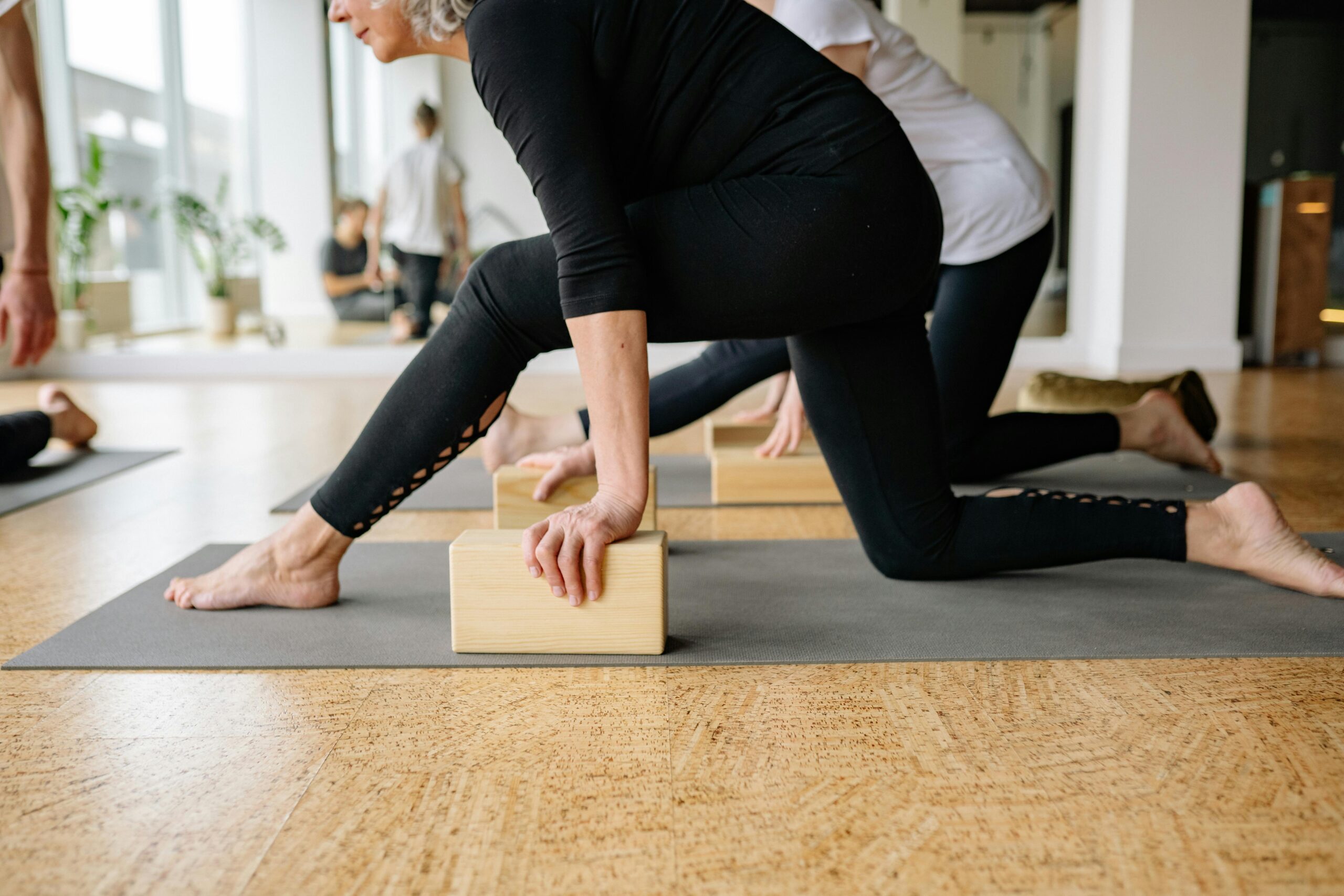
- Hip flexor stretches: Kneel on one knee with the other foot forward, gently pushing your hips forward to stretch the front of your hip
- Core planks: Hold a plank position to build the core stability necessary for effortless upright posture
Consistency matters more than intensity. Five minutes of daily postural exercises will produce better results than an hour once weekly.
Technology and Tools: Help or Hindrance?
The market overflows with posture-correcting devices, from wearable sensors that vibrate when you slouch to elaborate chair systems promising perfect spinal alignment. Do these gadgets deliver on their promises? ⌚
Posture reminder apps and wearables can increase awareness, which represents their primary value. Many people genuinely don’t realize how much they slouch until receiving real-time feedback. However, over-reliance on external devices may prevent development of internal body awareness—the ability to recognize and correct poor posture independently.
Ergonomic chairs and standing desks show mixed results in research. While they can facilitate better positioning, studies indicate that user behavior and movement patterns matter more than equipment alone. An expensive ergonomic chair won’t help if you still sit motionless for eight hours straight.
Creating a Posture-Friendly Workspace
Your environment shapes your posture more than willpower alone. Optimize your workspace with these evidence-based modifications:
- Position your monitor so the top of the screen sits at or slightly below eye level
- Keep frequently used items within easy reach to avoid repetitive twisting or straining
- Use a chair that supports your lower back curve, or add a lumbar cushion
- Ensure your keyboard and mouse allow your elbows to rest at approximately 90 degrees
- Consider a footrest if your feet don’t comfortably reach the floor
The Verdict: Finding Truth in the Middle Ground
So is slouching wrecking your health or simply a relaxed way to sit? The honest answer is: it depends on context, duration, and individual factors.
Chronic, uninterrupted slouching—particularly when combined with sedentary behavior and weak postural muscles—does appear to increase risk for various musculoskeletal problems, reduced respiratory function, and even psychological effects. The cumulative burden of poor positioning over months and years creates a legitimate health concern.
However, occasional slouching, particularly when alternated with good posture and regular movement, doesn’t constitute a health crisis. Your body’s capacity for adaptation and resilience shouldn’t be underestimated. The real danger lies in static positioning of any kind, not slouching specifically.
Your Personalized Posture Plan
Rather than adopting a one-size-fits-all approach, consider your individual circumstances. Someone with existing back problems requires different strategies than a healthy young adult. Your occupation, activity level, and body mechanics all influence what “good posture” means for you.
Start by honestly assessing your current habits. How many hours daily do you spend sitting? What positions do you naturally adopt? Do you experience pain or discomfort? These observations provide your baseline for improvement.
Work with healthcare professionals like physical therapists or chiropractors if you have existing pain or postural concerns. They can identify specific imbalances and develop targeted interventions rather than generic advice.
Moving Forward: Sustainable Postural Health
The goal isn’t achieving perfect posture at all times—an unrealistic and potentially counterproductive standard. Instead, aim for postural variety, regular movement, and adequate strength to support comfortable positioning throughout your activities.
Develop mindfulness around your body positioning without obsession. Check in with yourself periodically throughout the day. Are your shoulders creeping toward your ears? Is your head jutting forward? Make gentle adjustments without self-criticism, viewing this as information rather than failure.
Remember that posture represents just one component of overall health. Sleep quality, stress management, nutrition, and physical activity all contribute more significantly to wellbeing than sitting position alone. Keep perspective on where posture fits in your broader health picture.
The truth about slouching exists in nuanced territory—neither apocalyptic health destroyer nor completely benign habit. By understanding the actual mechanisms and risks, implementing practical solutions, and maintaining realistic expectations, you can protect your health without unnecessary anxiety about every moment of less-than-perfect posture. Your body is resilient, adaptable, and capable of thriving when you provide it with movement, strength, and occasional rest—slouched or otherwise. 🌟