
For decades, we’ve been told to sit up straight, align our spines, and maintain perfect posture. But what if the real secret to a healthy, pain-free body isn’t about holding one ideal position, but rather about moving through many?

The human body wasn’t designed to be static. Our ancestors spent their days squatting, climbing, reaching, and constantly adapting to their environment. Modern life, however, has trapped us in repetitive patterns—sitting in chairs, staring at screens, and maintaining the same positions for hours on end. The solution isn’t simply “better” posture; it’s movement variety that truly transforms our physical wellbeing.
🔄 The Movement Variety Revolution: Rethinking Body Mechanics
Movement variability represents a paradigm shift in how we understand body health. Rather than seeking the perfect alignment or ideal posture, research increasingly shows that our bodies thrive on diversity of position and motion. This concept challenges everything we’ve been taught about sitting straight and holding ourselves in specific ways.
The spine, for instance, is designed to move through multiple ranges of motion. When we restrict it to one “correct” position, we actually limit the nutrition that reaches our intervertebral discs, which rely on movement to absorb nutrients. Similarly, our joints need varied loading patterns to maintain healthy cartilage and synovial fluid production.
Studies in biomechanics have demonstrated that people who move through diverse positions throughout the day experience less chronic pain than those who maintain even biomechanically “ideal” static postures. The body adapts to what we do most frequently, and when that’s unchanging stillness, we become brittle and vulnerable to injury.
Why Your “Perfect” Posture Might Be Hurting You
The pursuit of perfect posture often creates its own problems. When we rigidly hold ourselves in what we believe is the correct position, we create sustained muscle tension that leads to fatigue and discomfort. This static loading pattern stresses tissues in repetitive ways, potentially causing overuse injuries.
Moreover, the concept of “perfect” posture is somewhat mythical. Different body types, skeletal variations, and individual anatomies mean that no single position works optimally for everyone. What’s comfortable and sustainable for one person may create strain for another.
🧬 The Science Behind Movement Diversity
Our musculoskeletal system operates on the principle of adaptive response. Tissues strengthen and become more resilient when exposed to varied stresses and stimuli. Conversely, they weaken and become specialized when exposed only to repetitive, predictable patterns.
Research in motor control science reveals that movement variability is a hallmark of healthy, robust systems. When we move in diverse ways, we:
- Distribute mechanical loads across different tissues, preventing overuse of any single structure
- Maintain neurological pathways for a broader range of movements
- Improve proprioception and body awareness
- Enhance circulation and lymphatic flow throughout various tissues
- Build resilience against unexpected movements that might cause injury
The fascial system, which connects and supports all structures in the body, particularly benefits from varied movement. Fascia responds to multidirectional stress by maintaining its elastic properties and preventing adhesions that can limit mobility and cause pain.
Neuroplasticity and Movement Patterns
Your brain’s motor cortex dedicates neural real estate to movements you perform regularly. When you repeat the same positions and motions constantly, you’re essentially training your nervous system to excel at a narrow range of activities while losing capacity for others.
Movement variety maintains broader neural representations, keeping more movement options available to you. This doesn’t just benefit physical capability—it also enhances cognitive flexibility and can even contribute to better balance and coordination as we age.
💪 Practical Ways to Introduce Movement Variety
Integrating movement diversity into your daily routine doesn’t require gym memberships or special equipment. The key is consistency and creativity in how you use your body throughout ordinary activities.
Revolutionize Your Sitting Habits
Rather than maintaining one “correct” seated position, cycle through different sitting styles throughout your day. Try these variations:
- Traditional chair sitting with feet flat
- Cross-legged or half-lotus positions on your chair
- Kneeling positions using a cushion or kneeling chair
- Perching on the edge of your seat
- One foot tucked under you, alternating sides
- Squatting position during short breaks
Set a reminder to change positions every 20-30 minutes. This frequent position change is more valuable than finding and holding the “perfect” posture for hours.
Transform Your Standing Time
If you use a standing desk, avoid standing rigidly in one position. Instead, shift your weight frequently, stand on one leg occasionally, place one foot on a small box or step, and walk in place periodically. These micro-movements keep tissues loaded in varied ways.
Ground Time: The Missing Element
Spending time on the floor is one of the most effective ways to introduce movement variety. Floor sitting naturally requires you to shift positions, engage different muscle groups, and move through ranges of motion that chair-sitting eliminates.
Consider these floor-based positions for reading, watching television, or using devices:
- Long sitting with legs extended
- Side-sitting (legs to one side)
- Various cross-legged positions
- Child’s pose or supported forward folds
- Lying on your side or stomach
🏃♀️ Movement Snacking: Small Doses, Big Impact
Movement snacks are brief periods of physical activity sprinkled throughout your day. Unlike formal exercise sessions, these are spontaneous, playful explorations of movement that take just a few minutes but accumulate significant benefits.
Effective movement snacks include hanging from a pull-up bar for 30 seconds, performing a few squats, reaching your arms overhead and side to side, or simply getting down to the floor and back up again using different strategies each time.
The beauty of movement snacking is its accessibility. You don’t need to change clothes, get sweaty, or commit significant time. These micro-sessions maintain movement capacity and provide the variety your body craves.
Creating a Movement-Rich Environment
Environmental design significantly influences how much and how diversely you move. Consider these modifications to encourage varied movement:
- Remove some furniture to create floor space
- Place frequently used items on high shelves to encourage reaching
- Keep a pull-up bar in a doorway you pass regularly
- Use balance boards or unstable surfaces while performing stationary tasks
- Keep movement props like resistance bands or foam rollers visible and accessible
🎯 Addressing Common Concerns and Misconceptions
“Won’t Constant Position Changes Reduce Focus?”
Research actually suggests the opposite. Brief movement breaks and position changes can enhance cognitive function by increasing blood flow to the brain and providing mental refreshment. Many people report improved focus and productivity when they incorporate regular position changes and movement snacks.
“I Have Back Pain—Shouldn’t I Focus on Correct Posture?”
Chronic back pain is often more related to movement poverty than to “bad” posture. While acutely painful episodes may require temporary position modifications, long-term resolution typically comes from gradually expanding movement capacity and variability rather than rigidly maintaining specific positions.
Studies comparing posture-focused interventions to movement variability approaches often show equal or better outcomes for the latter, with the additional benefit of improved overall function and resilience.
“What About During Exercise?”
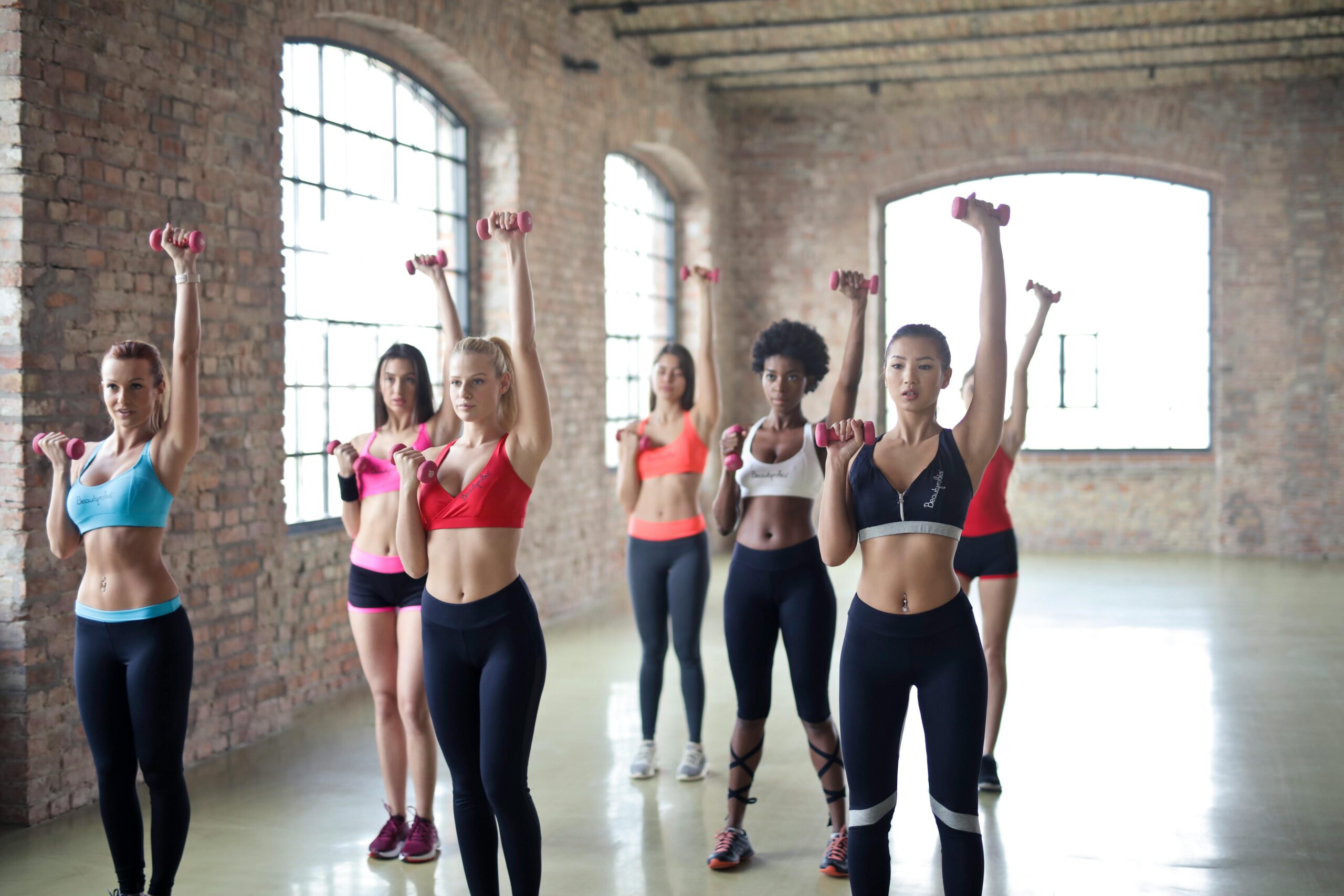
The movement variety principle extends to formal exercise as well. Rather than performing the same workout routine indefinitely, periodically change your exercises, movement patterns, loads, and ranges of motion. This approach, often called “movement diversity training,” builds more comprehensive fitness and reduces injury risk.
📊 Tracking Your Movement Diversity
Awareness is the first step toward change. Consider keeping a simple movement journal for a week, noting the positions you occupy and movements you perform. You’ll likely discover patterns you weren’t conscious of—perhaps you always cross the same leg, reach with the same hand, or sit in identical positions.
| Time Period | Positions Used | Movement Quality | Variety Score (1-5) |
|---|---|---|---|
| Morning (6-10am) | Standing, chair sitting, walking | Mostly static | 2 |
| Midday (10am-2pm) | Chair sitting, standing desk, floor sitting | Good variety | 4 |
| Afternoon (2-6pm) | Chair sitting primarily | Very static | 1 |
| Evening (6-10pm) | Couch, floor, squatting, standing | Excellent variety | 5 |
This self-assessment helps identify opportunities for introducing more variety into movement-poor portions of your day.
🌟 The Vitality Connection: Beyond Pain Prevention
Movement variety offers benefits that extend far beyond avoiding discomfort. People who move diversely often report increased energy levels, better mood, enhanced creativity, and a greater sense of physical capability and confidence.
This vitality connection makes sense from an evolutionary perspective. Our ancestors’ survival depended on movement competence across varied and unpredictable situations. When we honor this biological heritage through diverse movement, we tap into deep-seated systems that promote overall wellbeing.
Movement as Self-Expression
When we release ourselves from rigid posture rules, movement becomes more playful and expressive. This psychological dimension shouldn’t be underestimated. Moving in ways that feel good, exploring different positions with curiosity rather than judgment, and reconnecting with your body’s preferences all contribute to a healthier relationship with physical self.
Children naturally move with tremendous variety—rolling, spinning, climbing, and constantly changing positions. Somewhere along the path to adulthood, many of us lose this movement joy. Reclaiming movement diversity can help restore that sense of physical playfulness and freedom.
🔬 Research Insights: What Studies Tell Us
Scientific investigation increasingly supports the movement variety approach. A landmark study published in ergonomics journals found that office workers encouraged to change positions frequently reported significantly less discomfort than those instructed to maintain “optimal” posture.
Research in physical therapy has demonstrated that movement variability training reduces chronic pain recurrence more effectively than traditional posture-correction approaches. The resilience built through diverse movement appears to provide lasting protection against injury and pain.
Sports science research reveals that athletes with greater movement variability in their techniques often have longer careers with fewer injuries. This finding has applications beyond athletics—varied movement patterns protect all bodies, not just elite performers.
🚀 Your Movement Variety Action Plan
Transitioning from posture-focused thinking to movement variety requires intentional practice. Start with these actionable steps:
Week 1-2: Increase awareness. Simply notice your current movement patterns without judgment. Set hourly reminders to check what position you’re in and how long you’ve been there.
Week 3-4: Introduce position changes. Aim to shift positions every 20-30 minutes. Experiment with different sitting and standing variations. Start incorporating 2-3 daily floor sessions, even if brief.
Week 5-6: Add movement snacks. Include 3-5 brief movement breaks throughout your day. Focus on movements that feel good and explore ranges of motion you typically avoid.
Week 7-8: Expand your movement vocabulary. Try new activities, positions, or movement patterns. Challenge yourself with unfamiliar positions or movements that require problem-solving.
Ongoing: Make variety the default. Continue exploring, playing, and diversifying your movement. Let curiosity guide you toward ever-greater movement richness.
💡 Final Thoughts: Freedom Through Movement
The shift from perfect posture to movement variety represents more than a technical change in how we use our bodies—it’s a fundamental reorientation toward physical freedom. When we stop trying to hold ourselves in rigid, “correct” positions and instead embrace the fluid, adaptive nature of the human body, we unlock new levels of health, comfort, and capability.
Your body is designed for movement diversity. Every joint, muscle, and connective tissue structure in your body benefits from varied loading, positioning, and use. Rather than fighting against your biology by seeking postural perfection, work with it by honoring your need for movement richness.
The most sustainable approach to body health isn’t found in any single position or alignment—it’s discovered through the accumulated effect of thousands of position changes, movement snacks, and varied physical experiences. This is how you truly master your body: not by controlling it rigidly, but by giving it the diverse movement diet it craves.
Start today. Notice your current position. Can you modify it slightly? Can you introduce some variety into the next hour? Small changes compound into transformed movement patterns, and transformed movement patterns compound into a more vital, resilient, and comfortable physical existence. Your body will thank you for the variety.